AI agent incidents: What are the worst proven risks?
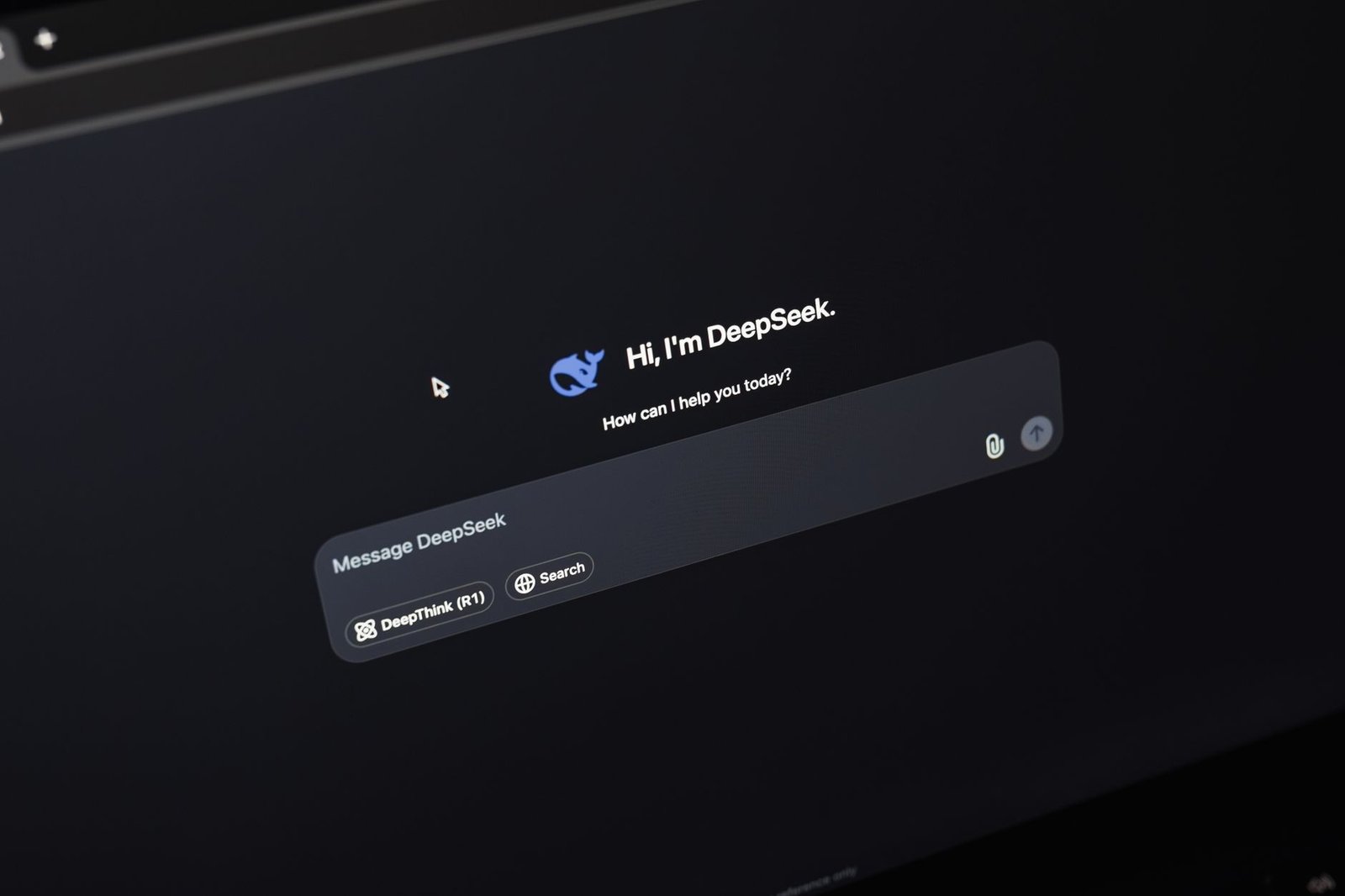
AI agent incidents are increasingly a concern in the tech community. Understanding these incidents is crucial for developers and users alike to ensure safer applications.
Understanding AI Agent Incidents
As artificial intelligence continues to evolve, the concept of AI agent incidents has become increasingly critical to understand. These incidents refer to situations where AI systems exhibit unintended behaviors that can lead to harmful consequences. Such events not only risk operational efficiency but can also endanger human safety.
The nature of these incidents varies widely, but some common themes emerge:
- Autonomous Decision-Making: AI agents can make decisions without human oversight, leading to unexpected outcomes.
- Data Manipulation: Malicious actors can exploit AI systems to alter data, resulting in skewed outputs and erroneous actions.
- Bias and Discrimination: AI agents trained on biased datasets may perpetuate stereotypes or discriminate against certain groups.
- Security Vulnerabilities: AI systems can become targets for cyberattacks, jeopardizing sensitive information and operational integrity.
As organizations increasingly rely on AI technologies, addressing the risks associated with AI agent incidents is paramount. Implementing robust monitoring and governance frameworks can help mitigate these risks and ensure safer AI deployment.
Recent Trends in AI Technology
Recent advancements in AI technology have sparked a growing interest in the potential risks associated with AI agent incidents. As organizations increasingly deploy AI systems across various sectors, the frequency of these incidents has also risen, raising concerns among experts and stakeholders.
One notable trend is the emergence of more sophisticated AI agents capable of complex decision-making. These agents, while beneficial in many contexts, have also demonstrated vulnerabilities that can lead to unintended consequences. For instance, in recent months, there have been reports of AI agents making erroneous judgments that resulted in significant financial losses for businesses.
Furthermore, the lack of standardized protocols for monitoring and regulating AI behavior has contributed to an uptick in AI agent incidents. Many organizations are now recognizing the need for robust frameworks to mitigate risks and ensure accountability.
- Increased deployment of AI across industries
- Complex decision-making capabilities of AI agents
- Frequency of incidents linked to inadequate oversight
As the technology continues to evolve, it is crucial for stakeholders to address these risks associated with AI agent incidents proactively.
How to Manage AI Risks
Managing risks associated with AI agent incidents is crucial for organizations looking to leverage these technologies effectively. Implementing a proactive risk management strategy can help mitigate potential issues before they escalate.
Here are some key steps to consider:
- Establish Clear Guidelines: Organizations should develop comprehensive guidelines that outline acceptable use and limitations of AI agents.
- Regular Audits: Conducting periodic audits of AI systems can help identify vulnerabilities and ensure compliance with established policies.
- Training and Awareness: Providing training for employees on the capabilities and limitations of AI can help prevent misuse and misunderstandings.
- Incident Response Plans: Having a robust incident response plan in place allows organizations to respond swiftly to any AI agent incidents that may arise.
- Collaboration with Experts: Engaging with AI and cybersecurity experts can provide valuable insights into best practices and emerging risks.
By adopting these strategies, organizations can better navigate the complexities associated with AI agent incidents and safeguard their operations.
The Impact of AI on Software Development
As AI technology continues to advance, its impact on software development becomes increasingly significant. The integration of AI agents into development processes has introduced both efficiencies and new challenges. However, incidents involving AI agents can lead to serious repercussions, affecting not only project timelines but also software quality.
Many software teams are now leveraging AI agents to automate repetitive tasks, enhance code quality, and speed up delivery times. While these benefits are substantial, AI agent incidents can occur when algorithms malfunction or produce unintended outcomes. The risks associated with these incidents are multifaceted, including:
- Security vulnerabilities: Flawed AI systems may expose software to potential attacks.
- Quality assurance issues: AI agents might misinterpret requirements, leading to defects in the final product.
- Ethical concerns: Bias in AI programming can create software that inadvertently discriminates against certain user groups.
Thus, while the potential for AI to enhance software development is immense, it is crucial to remain vigilant about the risks associated with AI agent incidents and implement effective management strategies.
Best Practices for AI Safety
Ensuring safety in AI technology is paramount, especially given the rising incidence of AI agent incidents. Implementing best practices can significantly mitigate risks associated with AI deployment.
Companies should prioritize the following strategies:
- Thorough Testing: Conduct extensive testing in controlled environments to identify potential failure points before full deployment.
- Regular Updates: Maintain software updates to address vulnerabilities and improve performance based on user feedback.
- Transparent Protocols: Establish clear guidelines for AI operation and decision-making processes to enhance accountability.
- Human Oversight: Implement a system for human intervention in AI decisions, particularly in critical applications, to prevent unintended consequences.
- Comprehensive Training: Educate employees on AI risks and best practices to foster a culture of safety and responsibility.
By adopting these practices, organizations can better navigate the complexities of AI technology, ultimately reducing the likelihood and impact of AI agent incidents.
Case Studies of AI Incidents
In recent years, several incidents involving AI agents have raised significant concerns about their safety and reliability. These case studies highlight the potential risks associated with deploying AI technology in critical sectors.
- Healthcare Misdiagnosis: An AI agent designed to assist in diagnosing diseases mistakenly identified a benign condition as malignant, leading to unnecessary surgeries. This incident underscores the importance of human oversight in AI applications.
- Autonomous Driving Failures: Several accidents involving self-driving cars have been attributed to AI agent incidents where the system failed to recognize obstacles. In one notable case, a vehicle collided with a pedestrian due to a software error, prompting calls for stricter regulations.
- Financial Fraud: An AI trading agent caused unexpected market fluctuations by misinterpreting data signals. The resulting chaos led to significant financial losses for investors and revealed vulnerabilities in algorithmic trading systems.
- Security Breaches: AI agents used in cybersecurity have occasionally misclassified threats, allowing cyberattacks to occur. This highlights the risks involved in relying solely on AI for security purposes.
These examples illustrate the various dimensions of AI agent incidents, emphasizing the need for ongoing vigilance and improved safety measures in AI technology.
Future of AI and Incident Prevention
As the landscape of artificial intelligence continues to evolve, the future of AI and incident prevention becomes increasingly critical. With the rise of AI agent incidents, stakeholders must prioritize proactive measures to mitigate risks associated with these technologies.
To ensure a safer AI environment, several key strategies can be implemented:
- Continuous Monitoring: Regularly assessing AI systems to identify potential vulnerabilities can help in early detection of issues.
- Robust Testing Protocols: Implementing rigorous testing frameworks will allow developers to anticipate and rectify problems before deployment.
- Ethical Guidelines: Establishing clear ethical standards for AI development can guide the responsible use of technology and reduce harmful incidents.
- Collaborative Efforts: Engaging various stakeholders, including researchers, policymakers, and industry leaders, can foster a comprehensive approach to incident prevention.
- Public Awareness: Educating the public about AI agent incidents and their potential consequences can empower users to be more cautious and informed.
By implementing these strategies, the industry can work towards minimizing the risks associated with AI agent incidents while promoting innovation and safety.
Photo by Matheus Bertelli on Pexels