CERES-2 carrier rocket: China’s Proven Success in Space Launch
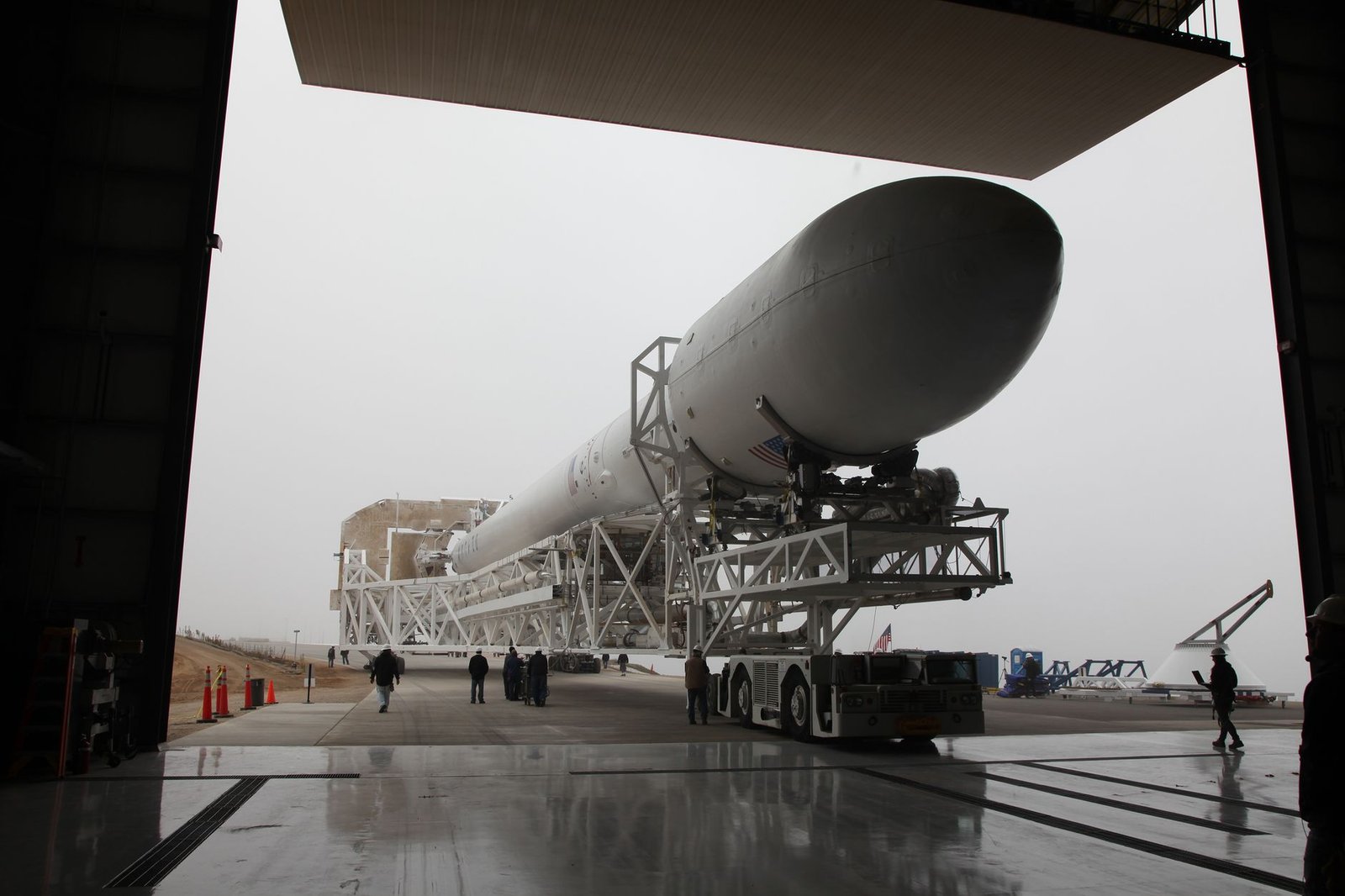
The CERES-2 carrier rocket has successfully launched, showcasing China’s advancements in space technology. This achievement highlights the nation’s commitment to expanding its capabilities in the aerospace sector.
Overview of the CERES-2 Carrier Rocket
The CERES-2 carrier rocket has emerged as a crucial component of China’s expanding space capabilities. This state-of-the-art launch vehicle is designed to enhance the country’s ability to deliver payloads into orbit efficiently and reliably. The successful launch of the CERES-2 marks a significant milestone in China’s aerospace endeavors, showcasing advancements in technology and engineering.
Several key features contribute to the effectiveness of the CERES-2:
- Versatility: The rocket is capable of deploying a variety of payloads, ranging from satellites to scientific instruments, making it an essential tool for both commercial and governmental missions.
- Enhanced performance: With improved thrust and payload capacity, the CERES-2 can reach higher orbits and carry heavier loads than its predecessors, meeting the growing demands of various space applications.
- Cost efficiency: The design and engineering of the CERES-2 focus on reducing launch costs while maintaining high reliability, ensuring that it remains competitive in the global space market.
As China’s space ambitions continue to grow, the CERES-2 carrier rocket represents not only a technical achievement but also a strategic asset in the quest for leadership in space exploration. This launch solidifies China’s position among the world’s leading spacefaring nations.
Significance of China’s Latest Launch
The recent launch of the CERES-2 carrier rocket marks a significant milestone for China’s space program, showcasing the nation’s advancements in technology and capability. This successful mission not only underscores China’s growing expertise in space exploration but also enhances its position in the global aerospace industry.
The significance of this launch can be observed in several key areas:
- Technological Advancement: The CERES-2 carrier rocket incorporates cutting-edge technologies that improve reliability and efficiency. This positions China as a competitive player in the space market.
- Strategic Importance: The successful deployment of the CERES-2 indicates China’s commitment to expanding its space infrastructure, which is critical for both national security and economic development.
- International Collaboration: The launch opens avenues for potential partnerships with other countries. Collaborative projects can enhance shared knowledge and resources in space exploration.
- Scientific Research: The payloads delivered by the CERES-2 carrier rocket are expected to contribute significantly to various scientific fields, ranging from Earth observation to telecommunications.
As China continues to push the boundaries of what is possible in space, the impact of the CERES-2 launch will likely resonate well beyond its immediate outcomes, paving the way for future endeavors in space exploration.
Future Missions Planned for CERES-2
As the aerospace industry continues to evolve, the CERES-2 carrier rocket is poised to play a critical role in China’s future space endeavors. Several ambitious missions are planned, showcasing the rocket’s versatility and reliability in delivering payloads into orbit.
One of the upcoming missions aims to enhance China’s satellite communication capabilities. This initiative will involve the launch of a new generation of communication satellites designed to improve connectivity across the nation and beyond. With the help of the CERES-2 carrier rocket, these satellites will be placed in precise orbits to ensure optimal performance.
Additionally, the Chinese government has outlined plans for scientific exploration missions that will utilize the CERES-2. These missions target both lunar and Martian exploration, focusing on gathering data that could pave the way for future manned missions. The robust design of the CERES-2 is expected to support payloads that will conduct essential research in these uncharted territories.
Moreover, international collaboration is on the horizon, with plans for joint missions that could involve launching satellites for partner countries. This move underscores China’s commitment to fostering global partnerships in space exploration.
Overall, the future of the CERES-2 carrier rocket appears bright, with a lineup of strategic missions that will not only enhance China’s capabilities but also contribute to global space exploration efforts.
Technological Innovations in Rocket Design
The CERES-2 carrier rocket represents a significant leap forward in rocket design, showcasing a blend of cutting-edge technology and innovative engineering. This new generation of rocket is equipped with advanced features that enhance its reliability and effectiveness in delivering payloads to orbit.
One of the key technological innovations is the use of a modular design, which allows for easier upgrades and maintenance. This modularity not only reduces the time required for assembly but also enables rapid adaptation to various mission profiles. Furthermore, the CERES-2 employs a new propulsion system that increases efficiency and thrust, making it capable of carrying heavier payloads compared to its predecessors.
Another noteworthy advancement is the integration of smart avionics, which enhances navigation and control during flight. This system utilizes real-time data to optimize performance and ensure precision in orbital insertion. Additionally, the rocket features improved thermal protection systems that enable it to withstand the extreme conditions of launch and re-entry.
The materials used in the construction of the CERES-2 carrier rocket also contribute to its enhanced performance. Lightweight yet durable composites have been adopted, reducing overall weight while maintaining structural integrity. These innovations not only boost the rocket’s capabilities but also position China as a leader in the competitive space launch market.
Global Reactions to the Launch
The successful launch of the CERES-2 carrier rocket has garnered significant attention worldwide, highlighting China’s growing capabilities in space exploration. Global reactions have been largely positive, with experts and space enthusiasts alike praising the accomplishment.
Among the most notable responses came from international space agencies. NASA expressed admiration for China’s advancements, indicating that the launch reflects a broader trend of innovation in space technology. A spokesperson noted, “China’s achievements push all nations to accelerate their efforts in space research and collaboration.”
In Europe, the European Space Agency (ESA) released a statement acknowledging the impact of the CERES-2 on the international launch market. They emphasized that increased competition could lead to lower costs and more opportunities for collaborative projects in the future.
Meanwhile, public sentiment in China has been overwhelming, with many citizens taking to social media to celebrate the launch. Hashtags related to the CERES-2 have trended on various platforms, showcasing national pride and enthusiasm for space exploration.
Analysts predict that the success of the CERES-2 carrier rocket may enhance China’s position within the global space community. As nations monitor developments closely, the potential for international partnerships could be on the horizon, shifting the landscape of space exploration for years to come.
Impact on China’s Space Program
The successful launch of the CERES-2 carrier rocket marks a pivotal moment for China’s space program, reinforcing its status as a formidable player in the global aerospace industry. This achievement not only showcases China’s advanced technological capabilities but also highlights its commitment to expanding its presence in space exploration.
One of the key impacts of the CERES-2 launch is its potential to enhance China’s satellite deployment capabilities. With the ability to carry heavier payloads and deploy multiple satellites in one mission, the CERES-2 is expected to facilitate various applications, including telecommunications, Earth observation, and scientific research. This could lead to improved data collection and enhanced connectivity for both urban and rural communities across China.
Moreover, the success of the CERES-2 carrier rocket is likely to encourage further investments in China’s space sector. As public interest in space exploration grows, increased funding could accelerate research and development in new technologies, propelling China towards more ambitious missions, including crewed spaceflights and interplanetary exploration.
Internationally, the launch may also foster collaborations with other space-faring nations, as China seeks to share its advancements and expertise. The CERES-2’s successful performance could pave the way for joint ventures, enhancing global partnerships in scientific and technological fields.
Photo by SpaceX on Pexels