Android Features Ported: The Best Proven Methods Explained
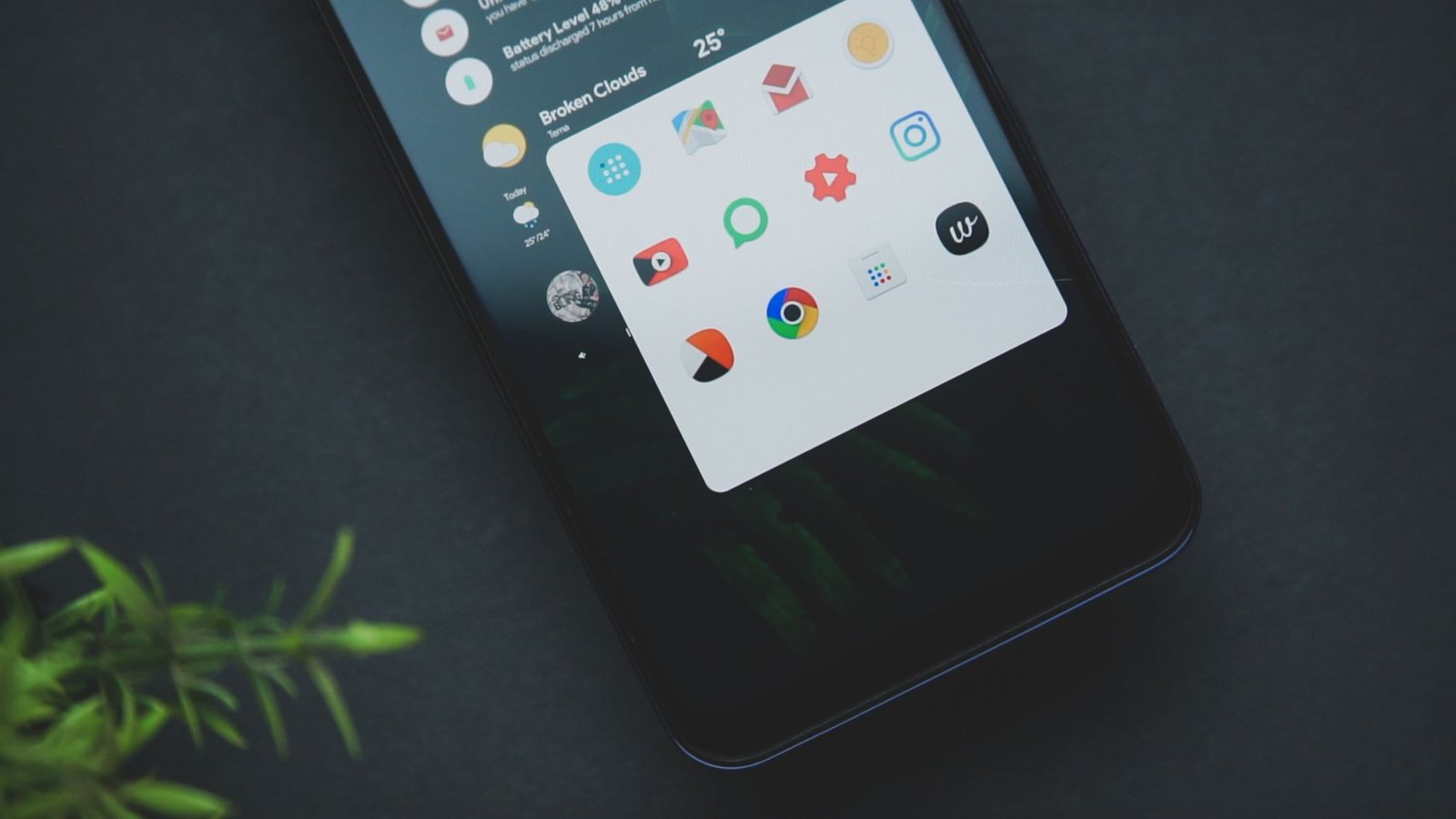
Android features ported across devices can significantly improve user experience. This article explores how these features are adapted and utilized on various platforms.
Understanding Android Features
Understanding how Android features ported across different devices can enhance user experience significantly. Developers aim to ensure consistency and accessibility of features, allowing users to enjoy similar functionality regardless of the device they choose. Here are some key methods used in this process:
- API Compatibility: Ensuring that new features adhere to existing APIs allows seamless integration with older applications.
- Custom ROMs: Enthusiast communities often create modified versions of Android, enabling users to access features from newer versions on older devices.
- Feature Flags: Developers can enable or disable specific features based on device compatibility, ensuring that only supported functionalities are available to users.
- Testing Across Devices: Rigorous testing is essential to identify any issues when porting features, ensuring they work smoothly across various hardware.
By employing these methods, developers strive to provide users with a consistent and enriched Android experience.
How Features Are Ported
Porting Android features across devices involves a systematic approach that ensures functionality and user experience remain intact. The process typically includes several key steps:
- Compatibility Assessment: Developers first evaluate the compatibility of the feature with various hardware and software versions.
- Code Modification: Necessary adjustments are made to the existing codebase to facilitate integration with the target device’s architecture.
- Testing: Rigorous testing is conducted to identify any issues or bugs that may arise from the porting process.
- User Feedback: Gathering user input helps refine the feature further, ensuring it meets the expectations of the target audience.
- Final Deployment: Once everything is finalized, the ported feature is deployed through updates or new releases.
These methods ensure that Android features ported from one device to another offer a seamless experience for users.
Benefits of Porting Features
Porting Android features across devices offers numerous advantages that enhance user experience and device performance. These benefits include:
- Improved User Experience: Users can enjoy a consistent interface and functionality, regardless of the device they are using.
- Enhanced Performance: Ported features are often optimized for different hardware, leading to better efficiency and speed.
- Broader Accessibility: Features that may have been exclusive to high-end devices can now be enjoyed by a wider range of users.
- Innovation and Creativity: Developers are encouraged to innovate, adapting existing features in unique ways that cater to diverse user needs.
- Cost-Effectiveness: Porting existing features rather than creating new ones from scratch saves time and resources for developers.
Overall, the process of porting Android features contributes to a richer, more versatile ecosystem.
Challenges in Porting
Porting Android features can be a complex process, presenting several challenges that developers must navigate. One significant issue is hardware compatibility, as diverse device specifications can hinder the effective implementation of certain features. Additionally, the vast array of Android versions in circulation complicates the task, as features may behave differently across platforms.
Another challenge lies in software integration. Developers must ensure that new features blend seamlessly with existing applications and system functions, which can require extensive testing and adjustments. Moreover, user experience is a critical consideration; features must not only work but also enhance usability without causing confusion for users.
Finally, resource allocation can pose a problem, as developers may need to balance time and budget constraints while working on porting features. These challenges highlight the intricacies of bringing Android features ported to various devices effectively.
Real-World Examples
Real-world examples of Android features ported across various devices showcase the effectiveness of the porting process. Many manufacturers have successfully integrated popular features from flagship devices into their mid-range offerings.
One such example is the introduction of the Night Mode camera feature. Initially exclusive to high-end smartphones, this functionality has been adapted for lower-tier devices, enhancing photo quality in low-light conditions.
Another notable case is the seamless integration of split-screen multitasking. This feature, once limited to premium models, is now available on several budget Android smartphones, allowing users to run multiple applications concurrently.
Additionally, the gesture navigation feature, initially rolled out in Android 10, has been ported to various devices running older Android versions, improving user experience and accessibility.
These instances exemplify how the porting of Android features can enrich the overall usability and performance of smartphones across different price ranges.
Future of Android Features
The future of Android features ported to various devices looks promising, with continuous advancements in technology and user demand shaping the landscape. As developers focus on enhancing user experience, we can expect several key trends to emerge.
- Increased Compatibility: Future Android updates are likely to enhance compatibility across a wider range of devices, making it easier to port features seamlessly.
- AI Integration: The integration of artificial intelligence will allow for smarter porting processes, enabling features to adapt more efficiently to different hardware.
- Community Contributions: Open-source contributions from the Android community may lead to innovative methods for porting features, fostering collaboration among developers.
- Focus on Security: As features are ported, ensuring security and privacy will be a top priority, addressing concerns from users and developers alike.
Overall, the future of Android features ported promises to enhance user experience while addressing the evolving needs of the technology landscape.
Many developers have successfully implemented Android features ported from other platforms, enhancing the user experience significantly. In this article, we will explore the best proven methods explained for achieving seamless Android features ported to various devices.
Photo by Emmanuel Jason Eliphalet on Pexels
References
You might also like
ColorOS 17 rollout schedule: Is it the best update yet? · Samsung chip expansion faces major funding hurdles · Indie games on iPhone: What Are the Best New Titles?