SpaceX Vandenberg launch: Quick Proven Payload Transport
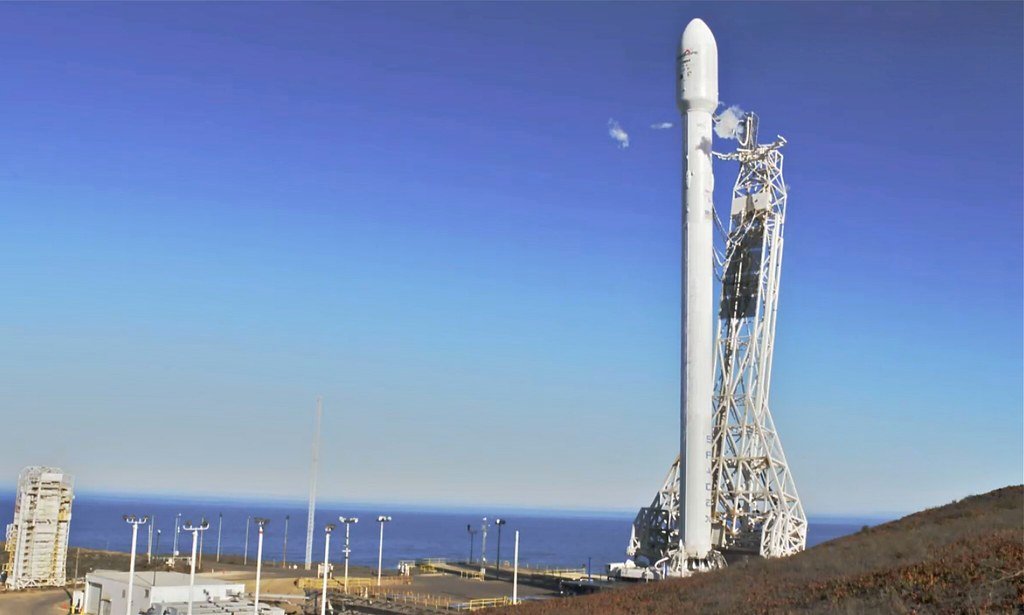
SpaceX Vandenberg launch is gearing up to transport 130 payloads to orbit, marking another significant achievement for the company in space exploration.
Overview of SpaceX’s Upcoming Launch
The upcoming SpaceX Vandenberg launch is poised to be a significant event in the realm of space exploration and payload transportation. Scheduled for next month, this launch will see SpaceX transport an impressive 130 payloads into orbit, showcasing the company’s growing capabilities in the aerospace sector.
With a proven track record of successful missions, SpaceX continues to cement its reputation as a leader in commercial spaceflight. The Vandenberg launch site, located on California’s central coast, provides a strategic advantage for missions that require polar or sun-synchronous orbits.
Among the payloads scheduled for this launch are various satellites from government and commercial entities, each designed to fulfill specific objectives ranging from earth observation to scientific research. The diversity of these payloads highlights SpaceX’s ability to cater to a wide array of clients, further solidifying its position in the competitive landscape of space transport.
As the launch date approaches, anticipation builds not only within the aerospace community but also among those interested in the future of satellite technology and space exploration. The SpaceX Vandenberg launch promises to be a pivotal moment for both the company and its partners.
Details on the 130 Payloads
The upcoming SpaceX Vandenberg launch will carry an impressive total of 130 payloads into orbit, showcasing the company’s ability to efficiently manage large-scale missions. This launch highlights not only the dependability of SpaceX’s Falcon 9 rockets but also their commitment to supporting a diverse array of customers.
The payloads include:
- Commercial satellites: Several private companies are set to deploy their technology, enhancing global communications.
- Government research projects: Various agencies are utilizing this opportunity to place experimental payloads into orbit, facilitating groundbreaking research.
- Educational initiatives: Universities and schools have collaborated with SpaceX to send small satellites, providing hands-on experience for students in aerospace engineering.
Each payload is uniquely designed to fulfill specific objectives, ranging from enhancing internet connectivity to advancing scientific exploration. The launch not only demonstrates SpaceX’s capacity for payload transport but also its pivotal role in advancing space technology and fostering innovation.
As anticipation builds for the SpaceX Vandenberg launch, stakeholders and spectators alike are eager to witness the successful delivery of these payloads, further solidifying SpaceX’s position in the aerospace industry.
Significance of Vandenberg Air Force Base
The significance of Vandenberg Air Force Base cannot be overstated in the context of the upcoming SpaceX Vandenberg launch. This facility serves as a critical hub for sending payloads into orbit, particularly for missions that require polar and sun-synchronous orbits. Positioned on the California coast, Vandenberg offers a unique advantage, allowing launches to take place over the ocean, thereby minimizing risks to populated areas during liftoff.
Furthermore, Vandenberg Air Force Base has been instrumental in supporting a variety of missions, from national security to commercial satellite deployments. The base’s strategic location enables launch providers like SpaceX to cater to diverse customer needs, including government agencies and commercial enterprises.
The upcoming launch is particularly notable due to the transportation of 130 payloads, showcasing not only SpaceX’s capabilities but also the versatility of Vandenberg as a launch site. As the demand for satellite deployment continues to grow, Vandenberg is poised to play an even larger role in the future of space exploration and commercial ventures.
In summary, Vandenberg Air Force Base remains a cornerstone of the aerospace industry, facilitating groundbreaking missions that will shape the future of space travel.
Past Launch Successes
SpaceX has established a remarkable track record with its Vandenberg launches, showcasing the ability to transport a variety of payloads effectively. This success has solidified the company’s reputation as a leader in the aerospace industry.
Notable past missions include:
- Falcon 9 Block 5: This upgraded rocket has been instrumental in delivering numerous payloads to orbit efficiently. Its reusability has significantly reduced launch costs.
- SAC-D: Launched in 2011, this mission successfully deployed a satellite for ocean research, demonstrating SpaceX’s capacity to handle diverse scientific payloads.
- IRIDIUM NEXT: A series of successful missions that provided global mobile satellite communications, showcasing reliability and performance in high-demand scenarios.
- NASA’s SMAP: A mission that illustrated SpaceX’s capability to support significant scientific endeavors, emphasizing the importance of reliable transport for critical research projects.
With the upcoming SpaceX Vandenberg launch, the company is poised to continue this trend of success, providing proven payload transport solutions that meet the needs of various clients.
Challenges in Payload Transport
The upcoming SpaceX Vandenberg launch presents several challenges in payload transport that must be addressed to ensure a successful mission. As the company prepares to deliver 130 payloads into orbit, the logistics of managing such a diverse array of instruments and satellites require meticulous planning.
One of the primary challenges involves the coordination of different payload specifications and requirements. Each payload may have unique characteristics, such as weight, size, and power needs, which can complicate the integration process. Additionally, ensuring that all payloads are launched in the correct sequence and timing is crucial for mission success.
Another significant factor is the environmental conditions at Vandenberg Air Force Base. The coastal location can lead to unpredictable weather patterns that may affect launch windows. SpaceX must remain agile and adapt to these conditions while maintaining a strict schedule.
Moreover, the integration of multiple payloads into a single Falcon 9 rocket demands precision engineering. The transport of these payloads must be executed with extreme care to avoid any damage during transit. Addressing these challenges effectively will be essential for the success of the SpaceX Vandenberg launch and the safe delivery of all payloads to orbit.
Future Missions Planned by SpaceX
SpaceX has ambitious plans for future missions, following the successful Vandenberg launch that will deliver 130 payloads into orbit. The company continues to expand its capabilities and client base, with several upcoming missions already scheduled.
Key future missions planned by SpaceX include:
- Satellite Deployments: Various commercial and government satellites are set to be launched, enhancing global communication and surveillance capabilities.
- International Partnerships: Collaborations with international space agencies and private companies aim to foster innovation and broaden access to space.
- Science Missions: SpaceX is working on missions that support scientific research, including Earth observation and deep space exploration.
- Human Spaceflight: Continued efforts are underway to support crewed missions, building on the success of previous crewed flights from Vandenberg.
As a leader in the aerospace industry, SpaceX’s Vandenberg launch plays a crucial role in transporting payloads efficiently and reliably. With a strong focus on innovation and sustainability, the company is poised to tackle the challenges of future missions head-on.
Impact on Space Industry
The upcoming SpaceX Vandenberg launch is poised to significantly impact the space industry by showcasing advanced capabilities in payload transport. As the demand for satellite deployment increases, efficient and reliable launch services become paramount. This mission, which involves transporting 130 payloads, exemplifies SpaceX’s commitment to meeting these growing needs.
Many companies and governments are looking to leverage the advantages of launching from Vandenberg Air Force Base, including its strategic location for polar and sun-synchronous orbits. The success of this launch may inspire further investments in launch infrastructure and technology across the sector.
Moreover, the integration of multiple payloads into a single launch is a game-changer. It reduces costs for individual clients while maximizing the use of rocket capacity. This could lead to a shift in how smaller companies approach satellite deployment, allowing them to compete on a global scale.
As the space industry evolves, the SpaceX Vandenberg launch serves as a reminder of the ongoing innovation and collaboration among various stakeholders, paving the way for a new era of exploration and satellite technology.
The recent SpaceX Vandenberg launch demonstrated the company’s ability to efficiently transport payloads into orbit. With a focus on quick proven payload transport, the mission showcased advancements in launch technology.
By jurvetson via Openverse