SpaceX alternatives: Best proven options for orbit access
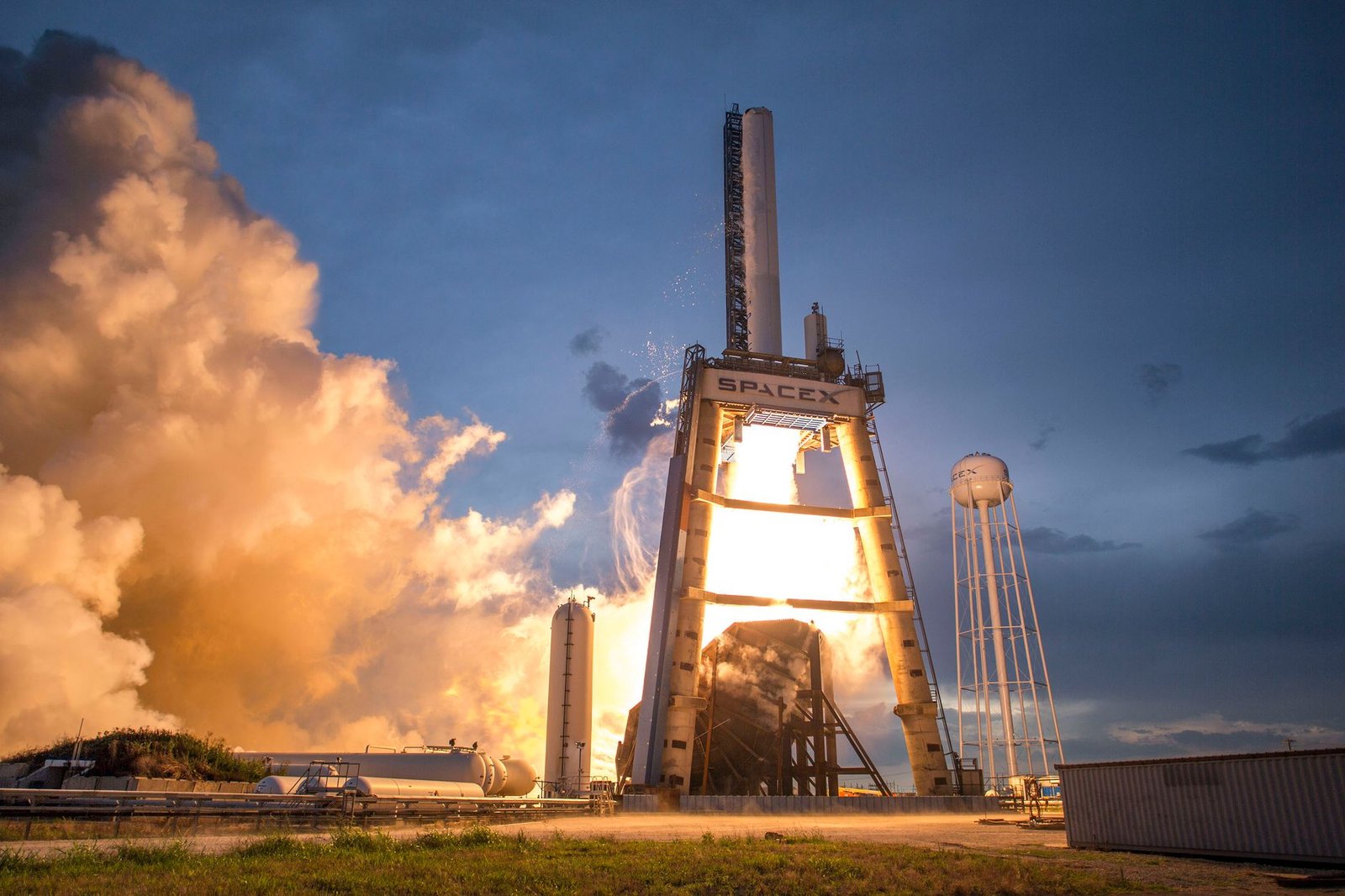
SpaceX alternatives are becoming increasingly important as Europe seeks new ways to reach orbit. A German startup has introduced a viable option, potentially changing the landscape of space access.
Introduction to SpaceX alternatives
As private space exploration continues to evolve, various SpaceX alternatives are emerging to challenge the industry leader’s dominance in orbital access. While SpaceX has significantly lowered launch costs and increased satellite deployment efficiency, the demand for alternatives is growing among nations and companies seeking reliable access to space.
Recent developments highlight the increasing competition in this sector. For example, a German startup has introduced a new launch vehicle that promises to provide an economically viable option for reaching low Earth orbit, potentially reducing reliance on established players like SpaceX.
Additionally, several other companies are developing innovative technologies aimed at enhancing the launch experience. Some of the notable contenders include:
- Rocket Lab
- Virgin Orbit
- Blue Origin
These SpaceX alternatives are paving the way for a more diverse and competitive landscape in space exploration.
The role of startups in space
The rise of startups in the space industry has significantly influenced access to orbit, presenting viable SpaceX alternatives for satellite launches and other missions. These companies are innovating and reducing costs, challenging the dominance of established players like SpaceX.
Several key factors contribute to the emergence of these startups:
- Technological Innovation: Many startups leverage cutting-edge technologies to develop more efficient launch systems.
- Cost Efficiency: By streamlining operations and utilizing smaller rockets, these companies can offer competitive pricing.
- Flexible Solutions: Startups often provide tailored services to meet specific customer needs, unlike larger corporations.
As demonstrated by a recent German startup, Europe is increasingly looking for alternatives to SpaceX to enhance its orbital capabilities. This shift not only increases competition but also fosters collaboration and innovation across the global space sector.
Why Europe needs new launch options
As Europe continues to expand its ambitions in space exploration, the need for SpaceX alternatives has become increasingly clear. Reliance on a single provider can pose significant risks, especially in times of geopolitical uncertainty and market fluctuations. By investing in a diverse range of launch options, European nations can ensure consistent access to orbit while fostering innovation within the aerospace sector.
Several key factors highlight the importance of developing these new launch capabilities:
- Strategic Independence: Reducing dependence on external suppliers strengthens Europe’s autonomy in space endeavors.
- Economic Growth: Supporting local startups creates jobs and stimulates technological advancements.
- Competitive Edge: A varied launch landscape encourages competition and drives down costs for satellite deployment.
With the emergence of new players like the German startup mentioned, Europe is taking significant steps toward a more resilient and diverse launch ecosystem.
Overview of the German startup
The German startup, Isar Aerospace, is emerging as a significant player among the SpaceX alternatives in the space launch industry. Founded in 2018, the company aims to provide cost-effective and efficient access to orbit using its innovative Spectrum rocket. This small satellite launch vehicle is designed to cater to the growing demand for satellite deployment, particularly for European clients seeking independence from traditional providers.
With a focus on sustainability, Isar Aerospace emphasizes fuel efficiency and reduced environmental impact. The company has already made headlines with successful test flights, showcasing its commitment to delivering reliable launch services. By leveraging advanced technology and innovative engineering, Isar Aerospace hopes to secure partnerships with various governments and commercial entities across Europe.
As the space industry evolves, startups like Isar Aerospace are crucial in diversifying the launch landscape and providing viable SpaceX alternatives for accessing orbit.
Technological innovations in space
Technological innovations in the space industry are reshaping how we access orbit, presenting viable SpaceX alternatives that diversify the landscape. Companies are leveraging advancements in materials science, propulsion systems, and automation to enhance launch capabilities.
One significant innovation is the development of reusable rocket technology, which dramatically reduces costs and increases launch frequency. This approach, pioneered by several startups, has inspired a new wave of companies to pursue similar designs.
Moreover, the integration of artificial intelligence in launch operations has improved safety and efficiency. AI systems can analyze vast amounts of data in real-time, enabling rapid decision-making during launches.
Additionally, collaborations between aerospace firms and universities are fostering research and development, leading to breakthroughs in satellite technology and orbital mechanics. These advancements not only create SpaceX alternatives but also promote a competitive environment that benefits the entire industry.
Comparing launch costs
When evaluating SpaceX alternatives, launch costs play a crucial role in determining the viability of different options for orbit access. For instance, traditional launch providers often charge upwards of $150 million for a single mission, which can be prohibitive for smaller companies and agencies. In contrast, newer entrants in the space sector are making significant strides in reducing these costs.
Several factors contribute to the overall expense of a launch:
- Payload Capacity: The ability to carry larger payloads can spread costs across multiple missions.
- Reusability: Companies focusing on reusable rockets can significantly cut costs by re-launching the same hardware.
- Innovation: New technologies and streamlined processes are helping to drive down prices.
As alternatives emerge, competition in the launch market may lead to lower prices, ultimately benefiting those seeking reliable access to orbit.
Future of European space missions
The future of European space missions looks promising as new players emerge in the launch sector. With an increased focus on developing SpaceX alternatives, European countries are investing in innovative technologies and collaborations to enhance their space capabilities.
One notable development is the rise of several startups across Europe that are aiming to provide more reliable and cost-effective launch options. These companies are leveraging advancements in rocket design and manufacturing to challenge the dominance of established firms like SpaceX. Furthermore, partnerships between governments and private entities are becoming more common, fostering a collaborative environment that encourages innovation.
As regulatory frameworks evolve, these startups are expected to play a crucial role in the European space landscape. By diversifying launch options and reducing dependence on a single provider, Europe can enhance its strategic autonomy in space exploration and satellite deployment.
Conclusion and outlook
As the landscape of space exploration continues to evolve, the emergence of SpaceX alternatives presents new opportunities for countries and organizations seeking reliable access to orbit. With increasing competition among startups and established companies, the space industry is witnessing innovative approaches to launch capabilities. This diversification is not only beneficial for cost reduction but also enhances security and resilience in space missions.
The recent success of the German startup is a testament to the growing capabilities outside of traditional players like SpaceX. By fostering an environment where new technologies and methodologies can flourish, Europe is paving the way for a robust space future. As governments and private enterprises invest in these alternatives, it is crucial to keep an eye on the evolving dynamics of the space sector.
In conclusion, the expansion of options for orbit access signifies a promising shift in how we explore and utilize space, ultimately benefiting various stakeholders in the global arena.
Photo by SpaceX on Pexels
References
Related stories
GPU Price Trends: The Real Impact on Sales Growth · AI Adoption Financial Payoff: The Clear Truth Revealed · iPhone Fold leaks: Best Proven Solutions for Screen Creases