Nvidia CUDA Moat: Worst Expectations Already Priced In
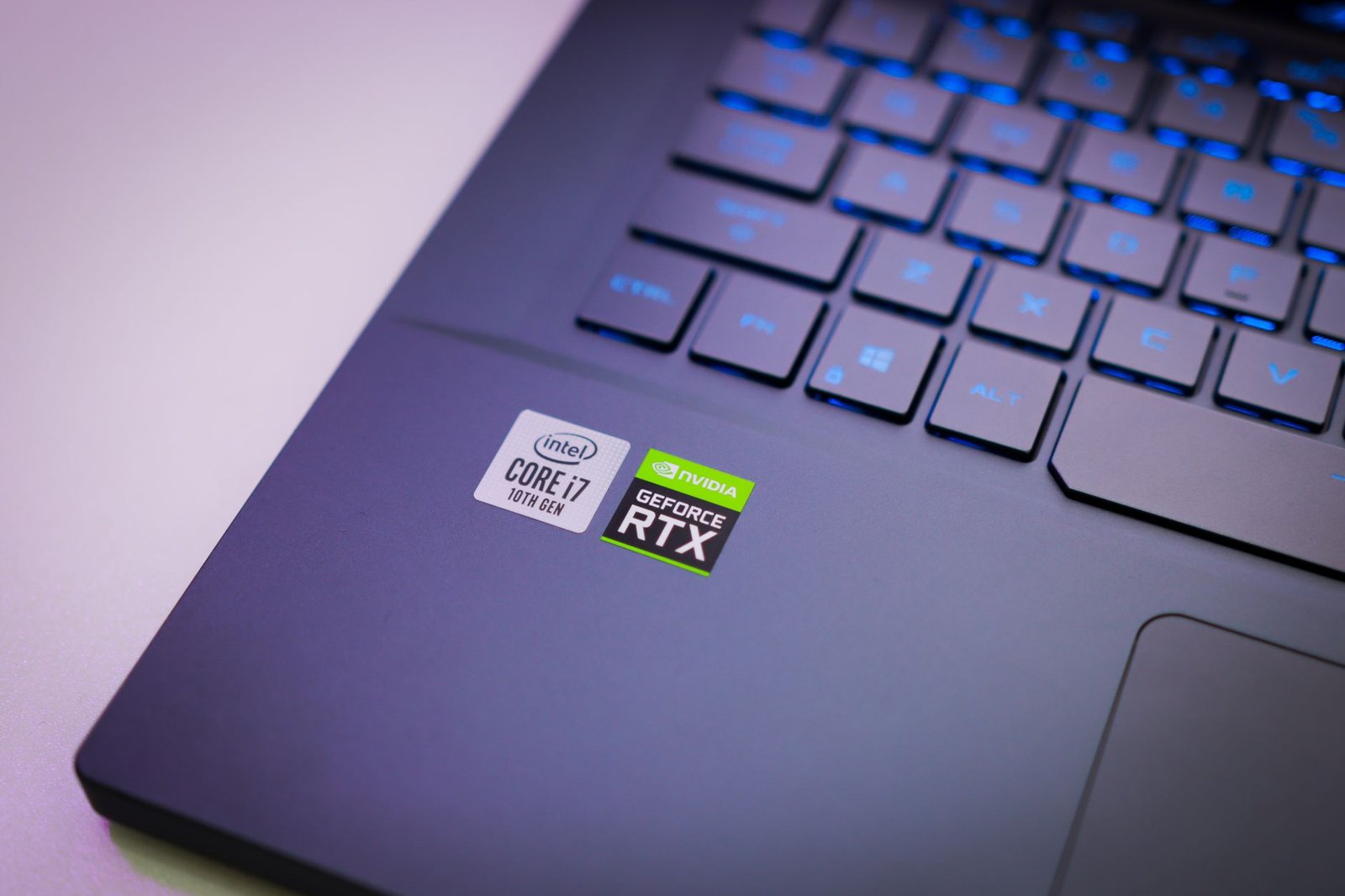
Nvidia CUDA moat is facing challenges as AI advancements wear it down. Despite these pressures, the current pricing may already reflect the worst-case scenarios.
Understanding the CUDA Moat
Nvidia’s position in the AI and computing landscape is significantly bolstered by its CUDA moat, which refers to the competitive advantage provided by its parallel computing architecture. This innovation allows developers to utilize the full power of Nvidia GPUs, enabling faster processing and more efficient algorithms.
Despite concerns that emerging technologies could challenge this moat, analysts believe that the worst expectations are already reflected in Nvidia’s current stock price. Key factors contributing to the resilience of the CUDA moat include:
- Strong developer community: A vast ecosystem of developers has built applications around CUDA, making it integral to many industries.
- Continuous innovation: Nvidia consistently invests in research and development, enhancing the capabilities of CUDA.
- Industry partnerships: Collaborations with major tech firms solidify its market position.
Impact of AI on Nvidia
The impact of artificial intelligence (AI) on Nvidia has become a focal point for investors and analysts alike. As AI technologies continue to advance, they pose both challenges and opportunities for Nvidia’s CUDA moat. The CUDA platform, which has been instrumental in the company’s growth, faces increasing competition from emerging alternatives.
Nevertheless, many experts believe that these challenges are already reflected in Nvidia’s stock price. Key factors include:
- The rapid evolution of AI tools that may reduce reliance on CUDA.
- Increased investment in competing technologies that could dilute Nvidia’s market share.
- Potential regulatory changes that may affect the tech landscape.
Despite these concerns, some analysts argue that the worst expectations regarding the CUDA moat are already priced in, suggesting a potential upside as the market stabilizes.
Market Reactions to CUDA Changes
Market reactions to recent changes surrounding Nvidia’s CUDA moat have been significant, reflecting investor sentiment and concerns about the company’s future. Many analysts believe that the worst expectations regarding the sustainability of the CUDA ecosystem have already been priced into Nvidia’s stock. This perception has led to increased volatility in share prices as traders assess the impact of AI advancements on CUDA’s dominance.
In light of these developments, investors are keenly observing the following:
- Investor Sentiment: A cautious optimism is emerging as analysts suggest that not all is lost for CUDA.
- Stock Performance: Nvidia’s stock has shown resilience despite fears of a declining moat.
- Future Prospects: Continuous innovation and adaptation could strengthen Nvidia’s position in the market.
As the landscape evolves, the long-term viability of the CUDA moat remains a topic of discussion among market participants.
Future of Nvidia’s Technology
The future of Nvidia’s technology hinges on the resilience of its CUDA moat amidst evolving market dynamics. As competitors emerge, Nvidia continues to innovate, ensuring its platforms remain indispensable for developers and researchers.
Investors are keenly observing several trends that may influence Nvidia’s trajectory:
- Continuous Innovation: Nvidia’s commitment to advancing CUDA technology keeps it ahead in performance and usability.
- Partnerships: Collaborations with leading tech companies can enhance CUDA’s ecosystem and broaden its application.
- Community Engagement: A thriving developer community reinforces the importance of CUDA, making it challenging for newcomers to compete.
While some fear that AI advancements might erode the CUDA moat, the current market pricing suggests that worst expectations may already be factored in, presenting a potential opportunity for investors.
Investor Sentiment on NVDA
Investor sentiment surrounding Nvidia (NVDA) has been notably affected by discussions about the company’s CUDA moat. Despite concerns over competition in the AI space, many analysts believe the worst expectations are already priced in. This has led to a more optimistic outlook among investors who see potential for Nvidia’s continued growth.
Recent surveys indicate that a significant number of institutional investors are still bullish on Nvidia’s long-term prospects, citing the strength of its technology and the brand loyalty associated with the CUDA platform.
- Key Factors Influencing Sentiment:
- Innovation in AI and machine learning
- Robust demand for gaming GPUs
- Strategic partnerships and acquisitions
- Risks to Consider:
- Emerging competitors
- Market volatility
Comparing Nvidia to Competitors
In evaluating Nvidia’s position within the tech landscape, it is essential to consider its competitors. While several companies have made strides in AI and GPU technologies, none have matched the extensive ecosystem built around Nvidia’s CUDA moat. Key competitors include:
- AMD: While AMD offers competitive hardware, its software ecosystem lacks the depth of CUDA, limiting its appeal to developers.
- Intel: Although Intel is investing heavily in AI, it has yet to produce a comparable platform that rivals CUDA’s established user base.
- Google: Google’s Tensor Processing Units (TPUs) focus on specific applications but do not provide the same versatility as Nvidia’s CUDA framework.
These comparisons underscore the unique advantages of Nvidia, suggesting that the worst expectations regarding the CUDA moat may already be priced in.
Long-term Outlook for AI and CUDA
The long-term outlook for AI and CUDA remains optimistic despite recent turbulence in the market. Nvidia’s CUDA moat, a significant factor in its competitive advantage, continues to attract developers and researchers alike. As AI technology evolves, the demand for robust frameworks like CUDA is expected to grow, leading to enhanced performance and efficiency in various applications.
Several factors contribute to this positive outlook:
- Continuous Innovation: Nvidia’s commitment to improving its CUDA platform ensures it stays relevant in a rapidly changing landscape.
- Growing AI Adoption: As more industries integrate AI, the reliance on Nvidia’s CUDA will likely increase.
- Strong Developer Community: A vibrant community around CUDA fosters collaboration and innovation, further solidifying its position.
In summary, while challenges exist, the worst expectations regarding Nvidia’s CUDA moat seem to already be priced in.
Investors are beginning to realize that the Nvidia CUDA moat is not just a temporary advantage, but a long-term strategic asset. As competition increases, the resilience of the Nvidia CUDA moat may prove to be more robust than worst expectations already priced in.
Photo by Foysal Ahmed on Pexels