Musk Starship Orbit: A Proven Success in Space Exploration
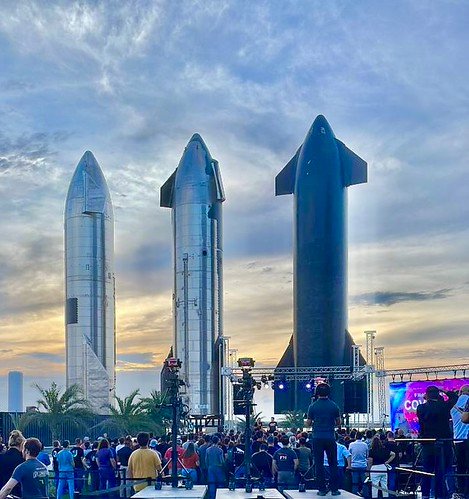
Musk Starship orbit has successfully entered Earth’s orbit, showcasing advanced technology and engineering prowess. This achievement marks a pivotal moment in space exploration.
Overview of Musk’s Starship
Musk’s Starship, a revolutionary spacecraft designed for deep space exploration, has recently marked a significant milestone by successfully entering Earth’s orbit. This achievement underscores the potential of innovative space travel technologies and reinforces Musk’s commitment to making interplanetary travel a reality.
The Starship is crafted to be fully reusable, which is a game-changer for the space industry. Its design allows for multiple missions with minimal refurbishment, significantly reducing costs. This makes it an attractive option for both commercial and scientific endeavors.
Key features of the Starship include:
- High Payload Capacity: The Starship can carry large payloads, enabling a variety of missions from satellite deployment to crewed missions to Mars.
- Advanced Propulsion System: Equipped with powerful Raptor engines, it is designed for optimal efficiency and performance during launch and re-entry.
- Life Support Systems: The spacecraft includes state-of-the-art life support technologies to ensure the safety and comfort of astronauts on long-duration missions.
As Musk’s Starship continues to demonstrate its capabilities, the prospect of regular orbital missions opens new horizons for space exploration and commercialization.
Significance of Entering Earth’s Orbit
The successful entry of Musk’s Starship into Earth’s orbit marks a pivotal moment in space exploration. This achievement not only showcases advanced technological capabilities but also sets the stage for future missions that can further expand humanity’s reach beyond our planet.
Entering orbit provides a multitude of benefits, including:
- Increased Research Opportunities: Scientists can conduct experiments in microgravity, which can lead to breakthroughs in various fields such as medicine, materials science, and astrobiology.
- Development of Sustainable Space Travel: Achieving orbit is a crucial step in establishing a sustainable human presence in space, including potential colonization of other celestial bodies.
- Economic Growth: Successful missions can stimulate the space economy, attracting investments and creating jobs in the burgeoning space industry.
- International Collaboration: The success of Musk’s Starship can foster partnerships among nations, encouraging collaborative efforts in space exploration and resource sharing.
As Musk’s Starship demonstrates its capabilities, the implications of entering Earth’s orbit extend far beyond immediate technological triumphs, inspiring future generations to dream bigger and reach further into the cosmos.
Technological Innovations Behind Starship
The technological innovations behind Musk’s Starship are pivotal to its recent success in entering Earth’s orbit. This groundbreaking spacecraft incorporates several advanced features that enhance its performance and reliability.
- Reusable Design: One of the most significant advancements is the fully reusable design, which allows the Starship to return safely to Earth after missions. This innovation drastically reduces the cost of space travel.
- Raptor Engines: The Starship is powered by Raptor engines, which utilize liquid methane and liquid oxygen. This choice of fuel not only increases efficiency but also aligns with Musk’s vision of enabling sustainable space exploration.
- Heat Shield Technology: The spacecraft is equipped with a state-of-the-art heat shield that can withstand the intense temperatures during re-entry, ensuring the safety of both the crew and the vehicle.
- Advanced Control Systems: Starship features cutting-edge avionics and control systems that allow for precise navigation and maneuverability, essential for successful orbital missions.
These innovations collectively contribute to Musk’s vision of revolutionizing space travel, making Starship a key player in future explorations beyond Earth, including missions to the Moon and Mars.
Future Missions Planned for Starship
The successful entry of Musk’s Starship into Earth’s orbit has paved the way for an exciting future in space exploration. Several ambitious missions are already in the planning stages, aiming to leverage the capabilities of this groundbreaking spacecraft.
Among the upcoming missions, the following are particularly noteworthy:
- Moon Missions: NASA plans to utilize Starship for its Artemis program, aiming to establish a sustainable human presence on the Moon by the end of the decade.
- Mars Colonization: SpaceX envisions Starship as the key vehicle for transporting humans to Mars, with the first crewed missions anticipated in the mid-2030s.
- Satellite Deployment: Starship’s large payload capacity will allow for the deployment of numerous satellites, enhancing global communication networks.
- Interplanetary Travel: Future missions could see Starship conducting deep-space missions, exploring asteroids, and potentially returning samples to Earth.
As Musk’s Starship continues to prove itself in orbit, the possibilities for its future missions seem limitless, reaffirming its role as a pivotal tool in advancing human exploration beyond Earth.
Public Reaction to Starship’s Success
The successful entry of Musk’s Starship into Earth’s orbit has elicited a wave of enthusiasm and excitement from the public and space enthusiasts alike. Social media platforms have been flooded with reactions, showcasing a mix of elation and pride in this monumental achievement.
Many supporters see this as a pivotal moment in space exploration, emphasizing the potential for future missions that could lead to human settlement on Mars. Comments from various space agencies and experts highlight the significance of this success:
- Increased Interest: Several space enthusiasts noted that the successful launch could inspire a new generation of scientists and engineers.
- Technological Breakthrough: Industry experts remarked on the innovative technologies employed in the Starship design, which could revolutionize space travel.
- Global Collaboration: Some users pointed out the potential for international partnerships in future endeavors prompted by Musk’s vision.
Overall, the public’s reaction reflects a sense of optimism about the future of space exploration, with many expressing hope that Musk’s Starship will pave the way for even greater achievements. As discussions continue, the focus on Musk Starship orbit remains a testament to human ingenuity and ambition.
Comparing Starship with Other Rockets
As the space exploration landscape evolves, comparing Musk’s Starship with other rockets reveals significant advantages that position it as a leader in the industry. Unlike traditional rockets, Starship is designed for reusability, which lowers the cost per launch and enhances sustainability in space travel.
Key differentiators between Starship and its competitors include:
- Payload Capacity: Starship boasts an impressive payload capacity, allowing it to carry more cargo and passengers than many existing rockets.
- Launch Frequency: The design of Starship enables rapid turnaround times, facilitating more frequent launches compared to conventional vehicles.
- Versatility: Starship is engineered for a variety of missions, from satellite deployment to crewed lunar landings, making it a multifaceted tool for exploration.
- Technological Integration: The incorporation of advanced technologies, including state-of-the-art engines and materials, positions Starship at the forefront of aerospace innovation.
While rockets like SpaceX’s Falcon 9 have paved the way for commercial space travel, Musk’s Starship orbit marks a new era, setting the stage for ambitious missions to the Moon, Mars, and beyond. Its successful entry into Earth’s orbit demonstrates the potential for a transformative shift in how humanity explores space.
Challenges Faced During Development
The development of Musk’s Starship was not without its challenges, as engineers and scientists faced numerous obstacles throughout the process. These hurdles tested the limits of technology and innovation in space exploration.
- Technical Setbacks: Early prototypes encountered issues with propulsion systems, which led to several delays in the testing schedule. Each iteration of the Starship required extensive modifications to enhance performance and safety.
- Regulatory Hurdles: Gaining approval from regulatory bodies posed another significant challenge. Compliance with safety regulations and environmental concerns necessitated a thorough review process that extended the timeline for development.
- Funding and Resource Allocation: Securing sufficient funding was crucial for ongoing research and development. The ambitious nature of the project required substantial investment, which led to intense scrutiny from stakeholders and investors alike.
- Public and Media Scrutiny: The high-profile nature of the project meant that any setbacks were amplified in the media. This scrutiny added pressure on the team to deliver a successful launch, particularly with the anticipation surrounding Musk’s Starship orbit.
Despite these challenges, the successful entry into Earth’s orbit marks a pivotal achievement in the journey of space exploration.
Expert Opinions on Space Exploration
Experts in the field of aerospace engineering and space exploration have expressed their enthusiasm regarding Musk’s recent achievement with the Starship’s successful entry into Earth’s orbit. Many believe that this milestone not only marks a significant advancement for SpaceX but also sets a new standard for future space missions.
- Dr. Emily Carter, an aerospace engineer, noted, “The successful orbit of Musk’s Starship demonstrates the viability of reusable spacecraft and its potential to reduce costs significantly.”
- Professor James Liu, a space policy analyst, emphasized the broader implications: “This success could accelerate the timeline for human missions to Mars and beyond.”
- Dr. Maria Gonzalez, a rocket propulsion expert, stated, “The technological innovations seen in Starship are paving the way for a new generation of space vehicles.”
Furthermore, many experts agree that the public’s excitement surrounding Musk’s Starship orbit will inspire a new wave of interest in STEM fields. As more students look towards careers in science and technology, the long-term benefits for the industry could be profound.
In conclusion, the unanimous consensus among experts is clear: Musk’s Starship orbit is a proven success that promises to reshape the future of space exploration.
The recent achievements in the Musk Starship orbit have opened new possibilities for interplanetary travel. As scientists analyze the data from this successful mission, the implications for future space exploration become increasingly clear.
By jurvetson via Openverse