GlobalStar 2-R mission: Proven Success in On-Orbit Tests
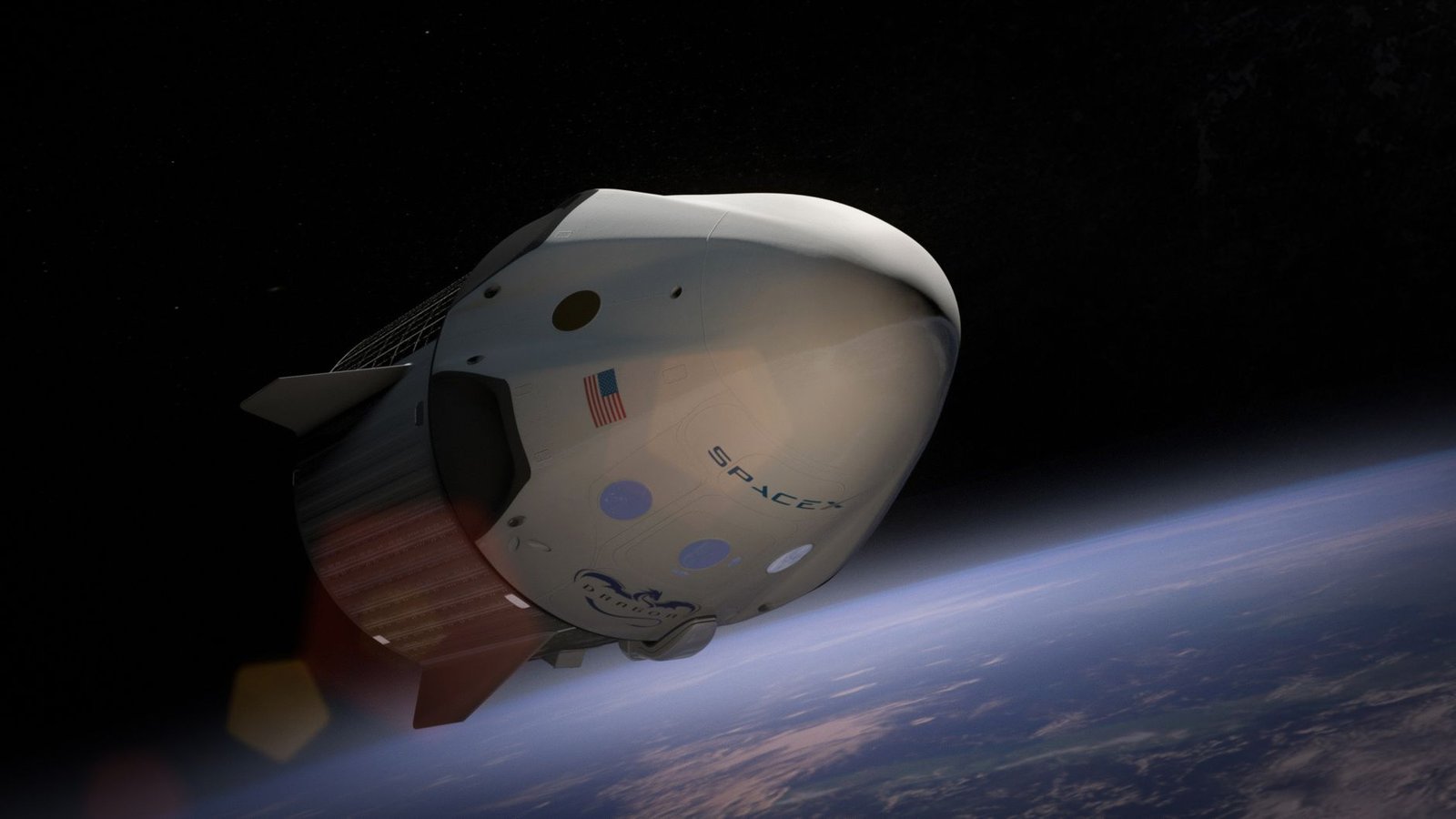
GlobalStar 2-R mission has successfully completed its initial on-orbit tests, marking a significant milestone in space exploration. This achievement highlights the collaboration between MDA Space and GlobalStar.
Overview of the GlobalStar 2-R mission
The GlobalStar 2-R mission has successfully completed its initial on-orbit tests, marking a significant milestone for MDA Space and GlobalStar. This mission aims to enhance global communication services through advanced satellite technology. The tests, conducted in various conditions, demonstrated the satellites’ capabilities to efficiently transmit data and maintain connectivity.
Key aspects of the GlobalStar 2-R mission include:
- Enhanced Performance: The new satellites are designed to provide improved bandwidth and lower latency for users across the globe.
- Technological Advances: Incorporating the latest innovations in satellite design, the GlobalStar 2-R satellites are more resilient and adaptable to changing environmental conditions.
- Global Coverage: The mission aims to expand coverage to remote areas, ensuring reliable communication services for users worldwide.
With the successful completion of on-orbit tests, the GlobalStar 2-R mission is poised to revolutionize satellite communications, providing vital services for various sectors, including emergency response and remote monitoring. As the mission progresses, further evaluations will ensure the satellites meet operational standards and deliver the expected performance.
Significance of on-orbit tests
The significance of on-orbit tests cannot be overstated, especially in the context of the GlobalStar 2-R mission. These tests are critical for validating the functionality and performance of the satellite systems in a real space environment. Successful on-orbit tests ensure that all components operate as intended, providing valuable data that can be used for future missions.
Among the primary objectives of these tests are:
- System Verification: Confirming that the satellite’s systems, including communication and navigation, function correctly in space.
- Performance Assessment: Evaluating the satellite’s ability to meet its designated operational capabilities and mission requirements.
- Issue Identification: Detecting any potential problems that could affect the satellite’s longevity and reliability.
The outcomes of these tests play a vital role in building confidence among stakeholders and clients, ensuring that the GlobalStar 2-R mission can deliver the expected services effectively. As the mission progresses, ongoing assessments will continue to inform future developments in satellite technology.
Key technologies used in GlobalStar 2-R
The GlobalStar 2-R mission incorporates several innovative technologies that have proven essential for its success during on-orbit tests. These technologies are pivotal in enhancing communication capabilities and ensuring robust satellite performance.
- Advanced Communication Systems: The GlobalStar 2-R satellites utilize cutting-edge communication technology, which allows for high-speed data transmission and improved signal clarity.
- Smart Antenna Design: The mission features a new antenna configuration that optimizes coverage and minimizes interference, making it ideal for global connectivity.
- Power Management Solutions: Efficient power management systems are integrated into the satellites, ensuring longevity and reliability in harsh space environments.
- Onboard Processing Capabilities: With enhanced onboard processing, the satellites can handle complex tasks autonomously, reducing the need for ground intervention.
- Robust Thermal Control: The thermal management systems are designed to withstand extreme temperature variations, ensuring stable operations over the mission’s lifespan.
These key technologies not only support the objectives of the GlobalStar 2-R mission but also set a benchmark for future satellite developments in the industry.
MDA Space’s role in the mission
MDA Space has played a critical role in the success of the GlobalStar 2-R mission, contributing its expertise in satellite technology and operations. As a leader in space solutions, MDA Space has worked closely with GlobalStar to ensure the seamless integration of advanced systems required for the mission’s objectives.
During the initial on-orbit tests, MDA Space was responsible for monitoring the performance of the satellites and validating their functionality in real-time. This extensive testing phase is essential to confirm that all systems are operating as intended before moving forward with full-scale deployment.
Key contributions from MDA Space included:
- Satellite Design: MDA Space provided innovative design solutions that enhance the satellites’ capabilities.
- Data Analysis: The team conducted rigorous data analysis to interpret test results and identify any potential issues.
- Operational Support: MDA Space offered continuous support to ensure effective communication between the satellites and ground control.
The collaboration between MDA Space and GlobalStar has proven vital to the GlobalStar 2-R mission, paving the way for future advancements in satellite communications.
Future implications for space technology
The successful completion of the GlobalStar 2-R mission’s initial on-orbit tests paves the way for significant advancements in space technology. The results not only validate the capabilities of the new satellite systems but also establish a foundation for future innovations in satellite communications.
As the demand for reliable and efficient communication systems continues to grow, the implications of the GlobalStar 2-R mission extend beyond its immediate applications. The technology developed for this mission can lead to:
- Enhanced Communication: Improved data transmission speeds and reliability for various industries.
- Increased Coverage: Expansion of satellite networks to underserved and remote areas, promoting global connectivity.
- Sustainable Practices: Incorporation of eco-friendly materials and practices in satellite manufacturing and deployment.
- Innovation in Design: New engineering solutions that can be applied to future satellite designs and missions.
Furthermore, the collaboration between MDA Space and GlobalStar highlights the importance of partnerships in driving technological advancements. The lessons learned from the GlobalStar 2-R mission will likely influence upcoming projects, setting a new standard for satellite operations and paving the way for an era of improved space-based services.
Photo by SpaceX on Pexels
References
You might also like
Is the iPad mini display the Worst 120Hz Panel Ever? · Claude models release: Best price cut and new features · OnePlus 16 India Launch: The Best Surprise Release Yet