Galaxy Watch release: Is it the worst decision for Samsung?
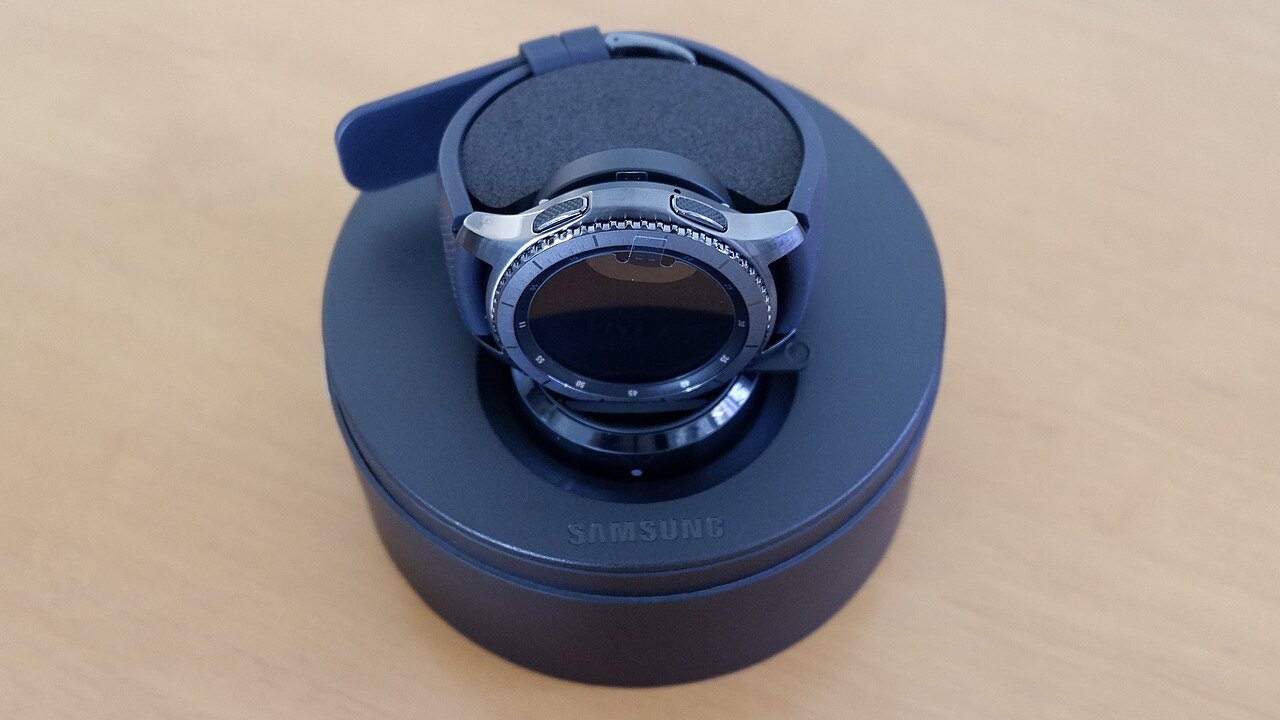
Galaxy Watch release is now in doubt as Samsung might not launch a new model next year. This unexpected news has tech enthusiasts wondering about the company’s future in wearable technology.
What We Know About Samsung’s Plans
Recent reports have raised questions about Samsung’s future plans regarding its Galaxy Watch release. Sources indicate that Samsung might not introduce a new model of the Galaxy Watch next year, which could signal a shift in strategy for the tech giant.
According to industry insiders, Samsung is evaluating its current smartwatch lineup and the competitive landscape. The decision to potentially pause the Galaxy Watch release could stem from various factors:
- Market Saturation: The smartwatch market has become increasingly crowded, with numerous brands offering advanced features and competitive pricing.
- Consumer Demand: Feedback from users suggests that many are satisfied with their current devices, leading to a decrease in demand for new models.
- Innovation Challenges: Developing groundbreaking features that distinguish the Galaxy Watch from competitors may have become more challenging.
Additionally, Samsung has a history of releasing updated models annually, making this potential hiatus particularly noteworthy. The decision to skip a year may reflect a strategic move to revamp the Galaxy Watch’s features and design, ensuring that future releases meet consumer expectations.
As speculation continues, the tech community awaits further announcements from Samsung, eager to understand how this potential delay could impact the brand’s standing in the wearable technology market.
Impact on the Smartwatch Market
The potential absence of a Galaxy Watch release next year could have significant repercussions on the smartwatch market. Samsung has long been a key player in this sector, offering innovative features and competitive pricing that have attracted a loyal customer base. Without a new model, the company risks losing its edge in a rapidly evolving industry.
Several factors could contribute to the negative impact of not releasing a new Galaxy Watch:
- Increased Competition: Other brands, such as Apple and Fitbit, continue to enhance their smartwatch offerings. A lack of new products from Samsung may leave consumers with fewer reasons to stay loyal to the brand.
- Consumer Expectations: Tech enthusiasts often anticipate annual updates from major companies. Failing to deliver could lead to disappointment and erode trust in Samsung’s commitment to innovation.
- Market Share Vulnerability: If Samsung does not launch a new Galaxy Watch, competitors may seize the opportunity to capture more market share, making it harder for Samsung to regain its position later.
- Delayed Innovations: New technologies are constantly emerging; not releasing a new model may mean missing out on integrating groundbreaking features that could redefine user experience.
Overall, the decision to potentially skip a Galaxy Watch release could be seen as a risky move for Samsung, one that could have lasting implications for its presence in the smartwatch market.
Consumer Reactions to Galaxy Watch News
As news spreads about the potential delay in the Galaxy Watch release, consumer reactions have been mixed, reflecting a blend of disappointment and apprehension. Many loyal Samsung fans took to social media to express their concerns, stating they were eagerly anticipating the new features and improvements that typically accompany a Galaxy Watch launch.
Some consumers highlighted the following points:
- Feature Expectations: Many users are looking forward to advanced health tracking features and improved battery life that they believe the new model would offer.
- Market Competition: With other brands releasing innovative wearables, some consumers worry that a delayed Galaxy Watch release could leave Samsung trailing behind in the smartwatch market.
- Loyalty Concerns: A few long-time users expressed frustration, suggesting that a lack of new models could drive them to explore alternatives from competitors.
On the other hand, some consumers have shown understanding, emphasizing that quality should take precedence over speed. They believe that if the delay means a more refined product, it could ultimately benefit users in the long run.
As the situation unfolds, it remains to be seen how Samsung will address these concerns and whether the anticipated Galaxy Watch release will meet the expectations of its consumer base.
Alternatives to Galaxy Watch
As concerns regarding the Galaxy Watch release loom, many consumers and tech enthusiasts are exploring alternatives that could fulfill their smartwatch needs. The market is diverse, offering a range of options that cater to various preferences and budgets.
Here are some notable alternatives to consider:
- Apple Watch Series 9: Known for its seamless integration with iOS devices, the Apple Watch Series 9 offers an array of health tracking features and a user-friendly interface, making it a top choice for iPhone users.
- Fitbit Versa 4: Ideal for fitness enthusiasts, the Fitbit Versa 4 emphasizes health and wellness tracking, providing insights into sleep patterns, heart rate, and activity levels.
- Garmin Venu 2: For those who focus on outdoor activities, the Garmin Venu 2 is an excellent option, boasting GPS capabilities and robust durability for adventures.
- Huawei Watch GT 3: With an impressive battery life and stylish design, the Huawei Watch GT 3 is a well-rounded smartwatch that offers various tracking features and customization options.
These alternatives highlight the competitive landscape of the smartwatch market, suggesting that consumers may find valuable options if Samsung decides against a Galaxy Watch release next year.
Future of Wearable Technology
The future of wearable technology continues to evolve, with various companies vying for dominance in the smartwatch sector. As the Galaxy Watch release draws closer, industry experts are contemplating the implications of Samsung’s choices and how they could shape the market.
One of the pivotal trends in wearable technology is the increasing integration of health monitoring features. Consumers are increasingly looking for devices that offer advanced functionalities, such as:
- Heart rate monitoring
- Sleep tracking
- Blood oxygen level measurement
- Fitness coaching
As more brands invest in these capabilities, Samsung must ensure that its Galaxy Watch remains competitive. However, some analysts argue that focusing solely on health features could alienate users who prioritize style and usability. Additionally, the smartwatch market is seeing a surge in interest from tech companies traditionally outside the wearable space, raising the stakes for Samsung.
Moreover, the potential absence of a Galaxy Watch next year raises questions about the company’s long-term strategy. Will Samsung pivot towards other smart devices, or is this a temporary setback? Only time will tell if the decision to delay or cancel the Galaxy Watch release will be a strategic masterstroke or a misstep in an increasingly competitive landscape.
via Wikimedia Commons