China satellite launch: Proven success with four new satellites
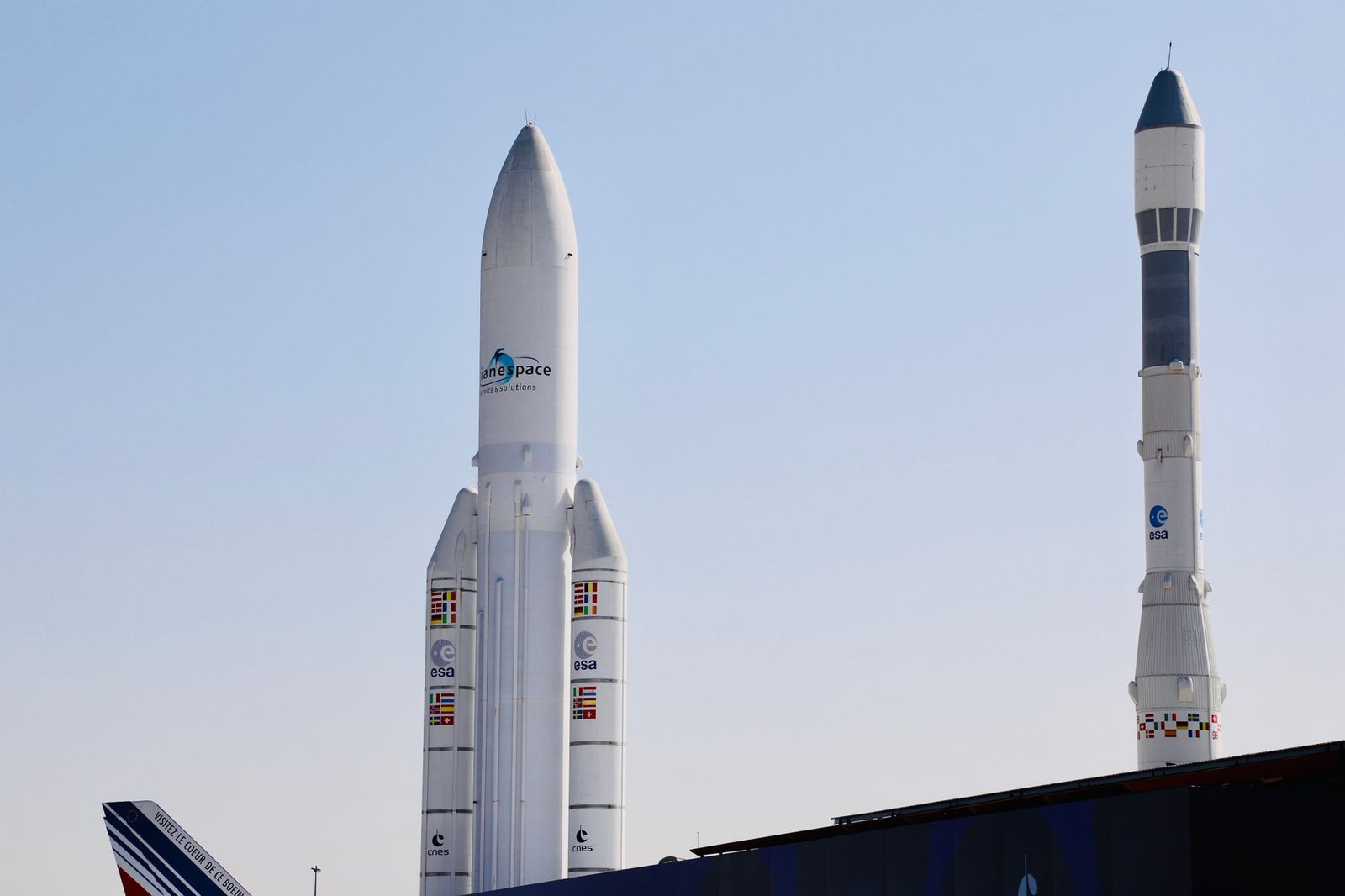
China satellite launch has achieved a significant milestone with the successful deployment of four new satellites into orbit, enhancing its space capabilities.
Overview of the Launch
On October 15, 2023, China successfully launched four new satellites into orbit, marking a significant achievement in its ongoing space exploration efforts. The mission, which took place at the Wenchang Space Launch Site, demonstrates China’s growing capabilities in satellite technology and deployment.
The satellites will serve various purposes, including Earth observation and communication, enhancing both civilian and military applications. This launch is seen as a critical step in bolstering China’s presence in space and expanding its satellite network to support various industries.
The successful launch underscores China’s commitment to advancing its space program, with plans for further missions in the near future. Experts believe that the new satellites will play a pivotal role in improving data collection and analysis for climate monitoring and disaster management.
As the country continues to invest in its space endeavors, the recent satellite launch highlights China’s ambition to become a leader in space technology and exploration.
Details of the New Satellites
On Wednesday, China successfully launched four new satellites into orbit, marking a significant milestone in its ongoing space endeavors. The launch took place from the Taiyuan Satellite Launch Center, utilizing a Long March 4B rocket. This mission is part of China’s broader strategy to enhance its satellite capabilities and bolster its position in the global space race.
The new satellites are designed for various applications, including:
- Earth observation: These satellites will provide crucial data for environmental monitoring and disaster management.
- Telecommunications: Enhancements in communication capabilities are expected to improve connectivity across vast regions.
- Scientific research: The satellites will facilitate research in fields such as meteorology and agriculture.
- Navigation: They aim to support China’s growing navigation system, providing precise location data.
With this successful China satellite launch, the nation continues to demonstrate its commitment to advancing space technology and infrastructure.
Significance of the Launch
The recent China satellite launch marks a significant advancement in the country’s space capabilities. This successful operation not only enhances China’s satellite network but also demonstrates its growing technological prowess on the global stage.
The addition of four new satellites will strengthen various sectors, including telecommunications, earth observation, and scientific research. These advancements are crucial as they contribute to China’s aims in becoming a leader in space exploration.
Furthermore, this launch signifies China’s commitment to expanding its presence in space, fostering collaborations, and engaging in international projects. The satellites are expected to improve data collection for environmental monitoring and disaster response, which can have far-reaching benefits.
As the country continues to invest in its space program, the implications of the China satellite launch extend beyond national interests, potentially impacting global communications and data-sharing initiatives.
In summary, this milestone reflects not only technological achievement but also the strategic importance of satellite capabilities in today’s interconnected world.
Technological Advances in Space
The recent China satellite launch marks a significant milestone in the country’s space exploration efforts. This successful mission demonstrates the remarkable advancements made in satellite technology and its applications.
Among the key technological innovations showcased in this launch are:
- Improved Propulsion Systems: The new satellites are equipped with advanced propulsion systems that enhance maneuverability and extend operational lifespans.
- Enhanced Imaging Capabilities: These satellites feature state-of-the-art imaging technology, allowing for high-resolution data collection crucial for environmental monitoring and urban planning.
- Increased Communication Efficiency: Innovations in communication technology enable faster data transmission and improved connectivity, supporting various sectors, including telecommunications and disaster response.
As the China satellite launch demonstrates, the integration of these technologies not only strengthens the nation’s position in space but also contributes to global scientific knowledge and collaboration. Continued investment in research and development is anticipated to yield further breakthroughs in the coming years.
China’s Space Program Growth
China’s space program has seen remarkable growth over the past decade, establishing the nation as a key player in the global space race. The latest achievement, the successful launch of four new satellites, underscores this trajectory of progress.
As the country continues to invest in its space capabilities, several factors contribute to this rapid development:
- Increased Funding: Significant government support has led to substantial financial investments in research and technology.
- International Collaboration: Partnerships with other countries and organizations have enhanced knowledge sharing and technological exchange.
- Focus on Innovation: China’s emphasis on developing cutting-edge technology has resulted in advanced satellite systems and launch vehicles.
- Public Engagement: Growing interest in space exploration among the Chinese populace has fostered a supportive environment for the space program.
As evidenced by the recent satellite launch, China continues to strengthen its position in space exploration, paving the way for future endeavors and innovations in satellite technology.
International Reactions to the Launch
International reactions to the recent China satellite launch have been predominantly positive, highlighting the nation’s growing capabilities in space exploration. Various countries have applauded China’s advancements, recognizing the significance of the launch in the context of global space initiatives.
Among the reactions:
- United States: Officials acknowledged China’s progress, emphasizing the need for collaboration in space governance.
- European Space Agency: Representatives expressed interest in potential partnerships, focusing on shared scientific objectives.
- Russia: The Russian space agency congratulated China, noting the importance of international cooperation in space exploration.
- India: Indian officials remarked on the launch as a step towards healthy competition in the space sector.
Experts believe that as China continues to enhance its space program, other nations may seek to engage more actively, fostering a new era of global space diplomacy.
This launch is seen not just as a technical achievement but also as a catalyst for international dialogue about the future of space exploration.
Future Plans for Satellite Deployments
As part of its ambitious space agenda, China has outlined future plans for satellite deployments that are set to expand its capabilities in Earth observation and communication. Following the recent China satellite launch of four new satellites, experts anticipate a series of missions aimed at enhancing both domestic and international satellite infrastructure.
Key initiatives include:
- Next-Generation Communication Satellites: Development of advanced communication satellites that promise higher data rates and improved connectivity for remote regions.
- Earth Observation Projects: Launching satellites equipped with cutting-edge imaging technology to monitor environmental changes and support disaster management.
- International Collaboration: Strengthening partnerships with other countries to share technological expertise and develop joint missions.
- Deep Space Exploration: Plans to deploy satellites that will assist in deep space missions, paving the way for future exploration.
These initiatives underscore China’s commitment to becoming a leader in space technology and its intention to leverage satellite capabilities for both national and global benefit.
Challenges in Satellite Launches
Despite the recent success of the China satellite launch, challenges remain in the realm of satellite deployment. The intricate nature of space missions presents various hurdles that can impact overall success rates.
- Technical Complexities: The engineering and design of satellites require precision and innovation. Any minor error can lead to mission failure.
- Environmental Factors: Launch conditions, such as weather and atmospheric disturbances, can delay or even cancel a planned launch.
- Regulatory Hurdles: International regulations and coordination with other space-faring nations can complicate launch schedules and operational procedures.
- Financial Constraints: Funding remains a critical element, as developing and launching satellites involves significant investment.
- Public Safety Concerns: Ensuring the safety of populated areas during launches is paramount, adding another layer of complexity.
As China continues to advance its space capabilities, addressing these challenges will be crucial for future endeavors in satellite technology.
The recent China satellite launch marks a significant milestone in the country’s space exploration efforts. With the successful deployment of four new satellites, the China satellite launch demonstrates advanced technological capabilities.
Photo by Léa Claisse on Pexels