Shenzhou-24 mission: Historic Launch with Pakistani Astronaut
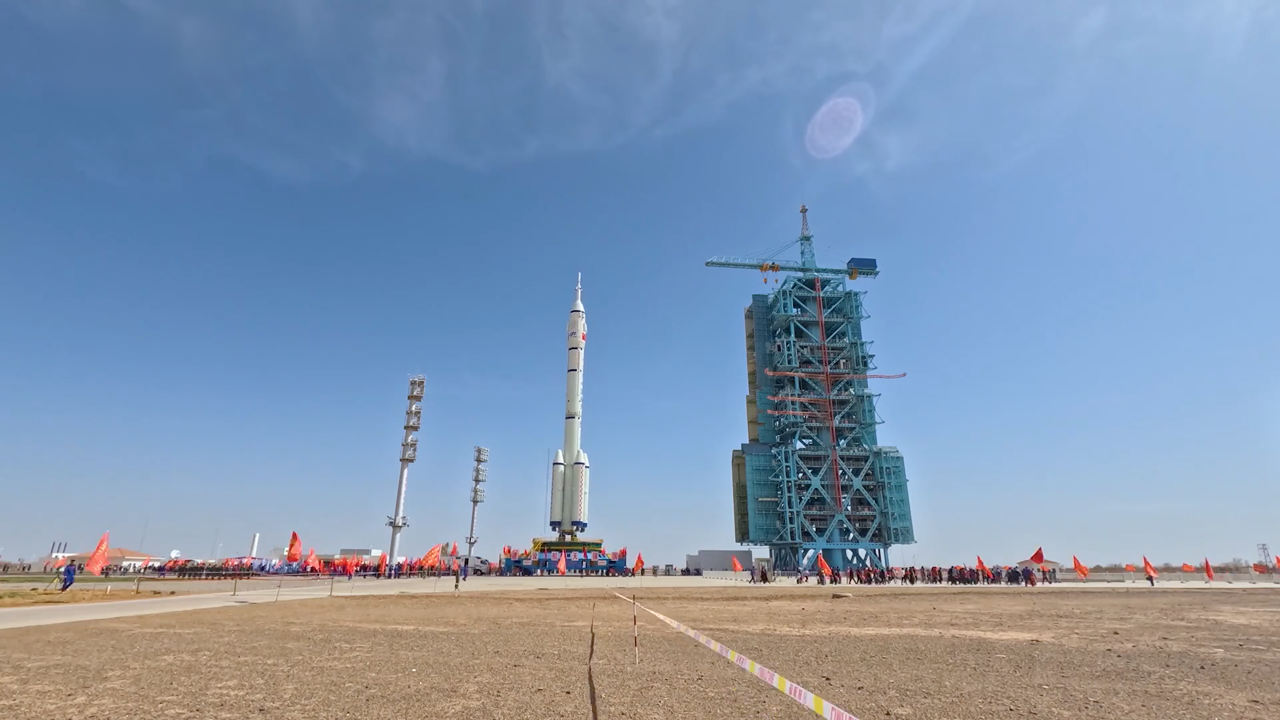
The Shenzhou-24 mission has successfully launched, marking a historic moment as Muhammad Zeeshan Ali becomes the first Pakistani to reach orbit.
Overview of the Shenzhou-24 mission
The Shenzhou-24 mission marks a significant milestone in space exploration, as China successfully launched its spacecraft towards the Tiangong space station. This mission is particularly noteworthy because it includes Muhammad Zeeshan Ali, who has made history by becoming the first Pakistani astronaut to reach orbit. His participation not only highlights the advancements in Pakistan’s participation in space exploration but also signifies a growing collaboration in international space missions.
The Shenzhou-24 mission is composed of a three-member crew, each selected for their expertise and experience in various fields of science and engineering. The astronauts will spend an extended period aboard the Tiangong space station, conducting a variety of experiments and research projects aimed at furthering our understanding of life in space.
Some key objectives of the Shenzhou-24 mission include:
- Conducting scientific experiments related to biology and physics.
- Testing new technologies for future space missions.
- Gathering data on the long-term effects of space travel on human health.
This mission also serves to strengthen the relationship between China and Pakistan, showcasing the potential for future collaborations in space technology and exploration.
Meet Muhammad Zeeshan Ali: A Historic Figure
Muhammad Zeeshan Ali is making history as part of the Shenzhou-24 mission, becoming the first Pakistani astronaut to venture into space. His selection for this mission is a significant milestone not only for Pakistan but also for the broader narrative of international collaboration in space exploration.
Born and raised in Pakistan, Ali has always had a passion for science and technology. He pursued his education in engineering and later transitioned into the field of aerospace. His journey to becoming an astronaut was filled with challenges, but his dedication and perseverance paid off when he was selected by the Chinese space agency.
As the first foreign astronaut to head to the Tiangong space station, Ali’s role in the Shenzhou-24 mission represents a step toward greater international cooperation in space activities. His participation is a testament to the possibilities of collaboration between nations in the pursuit of scientific advancement.
Ali’s mission is expected to inspire a new generation of aspiring astronauts and scientists in Pakistan and beyond. The success of the Shenzhou-24 mission could pave the way for future collaborations, showcasing how nations can work together to explore the final frontier.
With his remarkable achievement, Muhammad Zeeshan Ali is not just a historic figure; he is a symbol of hope and unity in the quest for knowledge beyond our planet.
What the Tiangong space station offers
The Tiangong space station, which serves as the focal point for China’s ambitious space endeavors, offers a range of unique features and opportunities for astronauts and researchers alike. One of the primary advantages of the Tiangong station is its capacity for long-term human habitation, allowing crews to conduct extended scientific experiments in a microgravity environment.
Additionally, the station is equipped with advanced laboratories and living quarters that enable astronauts to perform a variety of scientific research projects. These projects can cover diverse fields such as:
- Biological sciences: Investigating the effects of microgravity on biological systems.
- Material science: Studying the behavior of materials in space to develop new technologies.
- Astronomy: Observing celestial phenomena without Earth’s atmospheric interference.
The Tiangong space station also fosters international collaboration in space exploration. With the inclusion of Muhammad Zeeshan Ali in the Shenzhou-24 mission, it highlights the potential for cross-border partnerships in space science. Such collaborations can lead to shared knowledge, resources, and technological advancements, benefitting all participating nations.
As the Tiangong space station continues to evolve, it promises to be a critical platform for future exploration and a hub for scientific discovery in the years to come.
China’s advancements in space technology
China has made significant strides in space technology, particularly with the recent Shenzhou-24 mission. This mission not only showcases China’s growing capabilities but also highlights its commitment to international collaboration in space exploration.
In recent years, China has invested heavily in its space program, developing advanced technologies that enable more ambitious missions. Key advancements include:
- Launch Vehicle Development: The Long March series of rockets has been continuously upgraded, providing greater payload capacity and reliability for missions.
- Spacecraft Innovation: The Shenzhou spacecraft, specifically designed for crewed missions, has undergone numerous improvements, enhancing safety and comfort for astronauts.
- Modular Space Station Construction: The Tiangong space station is a testament to China’s engineering prowess, designed to support long-term human habitation and scientific research in orbit.
- International Partnerships: The inclusion of Muhammad Zeeshan Ali in the Shenzhou-24 mission signifies a pivotal moment for global cooperation in space, fostering goodwill and shared exploration goals.
These advancements not only strengthen China’s position in the global space race but also provide opportunities for collaborative efforts, paving the way for future missions that could include astronauts from various nations.
The significance of international collaboration in space
The Shenzhou-24 mission marks a significant milestone in the realm of international collaboration in space exploration. As nations increasingly recognize the importance of working together, this mission exemplifies how cooperative efforts can lead to groundbreaking achievements.
International partnerships in space can offer numerous benefits, including:
- Resource Sharing: Countries can pool their resources, knowledge, and technology, making space missions more feasible and cost-effective.
- Diverse Expertise: Collaborative missions allow for a mix of expertise, enhancing problem-solving and innovation in various fields of space science.
- Cultural Exchange: Engaging astronauts from different nations fosters understanding and camaraderie, promoting peaceful relations on Earth.
- Unified Goals: Working towards shared objectives, such as scientific discovery and humanitarian efforts, reinforces a sense of global unity.
The inclusion of Muhammad Zeeshan Ali in the Shenzhou-24 mission as the first Pakistani astronaut further emphasizes the significance of such international collaborations. His participation not only highlights Pakistan’s growing involvement in space but also serves as an inspiration for future generations of scientists and explorers.
As nations continue to embark on ambitious projects like the Tiangong space station, the lessons learned from the Shenzhou-24 mission will undoubtedly pave the way for more fruitful partnerships in the cosmos.
Future missions planned for Tiangong
As the Shenzhou-24 mission marks a significant milestone in space exploration, plans for future missions to the Tiangong space station are already underway. These upcoming missions aim to enhance scientific research and international collaboration in space.
The Chinese space agency has outlined several key objectives for future endeavors:
- Expansion of the Tiangong station: Additional modules are slated to be launched, increasing the station’s operational capacity and allowing for more extensive experiments.
- International partnerships: More astronauts from various countries are expected to join missions, fostering a spirit of global cooperation in scientific endeavors.
- Research initiatives: Future missions will focus on a range of scientific fields, including biology, materials science, and Earth observation, contributing valuable data to the global scientific community.
- Public engagement: Educational programs and outreach initiatives are planned to inspire the next generation of scientists and engineers worldwide.
Moreover, the successful execution of the Shenzhou-24 mission sets a precedent for sustained human presence in low Earth orbit, paving the way for even more ambitious projects, such as lunar exploration and potential missions to Mars.
As the Tiangong space station evolves, it promises to be a key player in the future of space exploration, highlighting China’s commitment to pushing the boundaries of what is possible in space science.
Public reaction to the Shenzhou-24 launch
The launch of the Shenzhou-24 mission has sparked a wave of enthusiasm and pride across various communities, particularly in Pakistan. The presence of Muhammad Zeeshan Ali as a part of this historic mission has resonated deeply with many, who see his journey as a symbol of opportunity and inspiration.
Social media platforms have been abuzz with reactions, highlighting the significance of this achievement. Many users have expressed their admiration for Ali, acknowledging the groundbreaking nature of his role in the mission.
- Excitement in Pakistan: Numerous hashtags promoting the mission have trended, showcasing the collective pride in having a Pakistani astronaut in space.
- International Response: Global reactions have also been positive, with many expressing hope for enhanced collaboration between nations in future space endeavors.
- Educational Impact: Educators and institutions have seized the moment to inspire young minds, encouraging interest in science and technology fields.
As the world watches the Shenzhou-24 mission unfold, citizens from various backgrounds are uniting to celebrate this milestone, viewing it as not just a victory for Pakistan, but as a significant step for international cooperation in space exploration.
The excitement surrounding this mission may pave the way for future collaborations, potentially changing the landscape of global space initiatives.
By 中国新闻社 via Openverse