AI in Space Force: The Smart Move for Mission Success
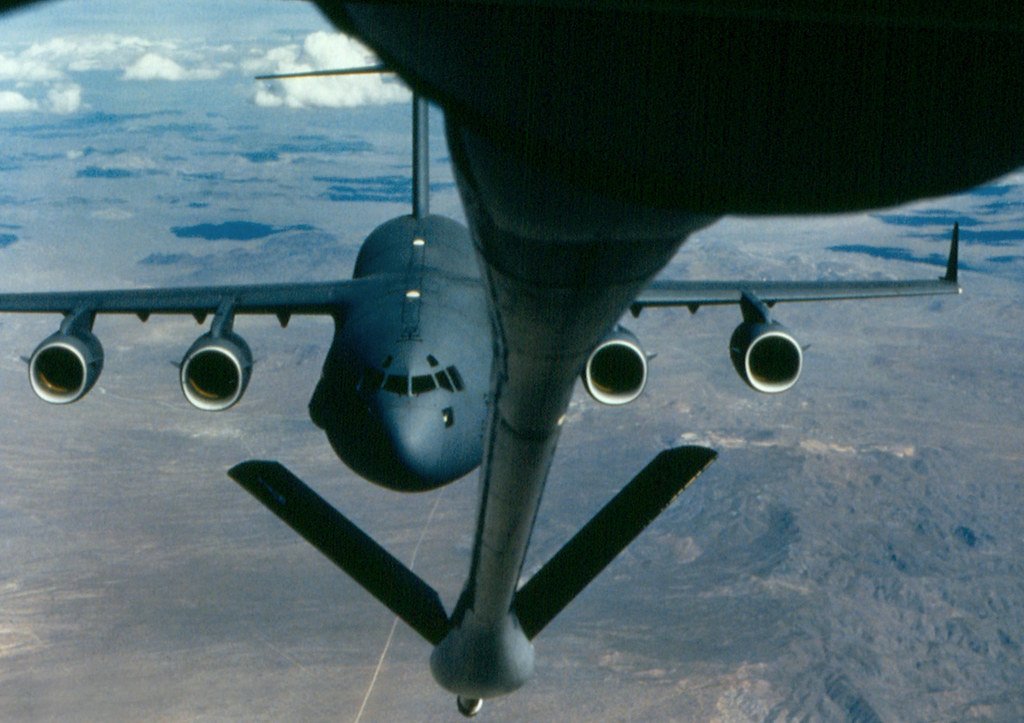
AI in Space Force is transforming how military missions are executed. By integrating advanced AI systems, the Space Force aims to enhance operational efficiency and effectiveness in critical missions.
What is AI in Space Force?
The integration of AI in Space Force represents a significant advancement in military operations and strategic planning. This technology enables enhanced situational awareness, allowing personnel to make informed decisions rapidly. By utilizing artificial intelligence, the Space Force can analyze vast amounts of data from various sources, including satellites and ground sensors, to identify potential threats and improve response times.
One of the key benefits of implementing AI is its ability to automate routine tasks, freeing up human operators for more critical functions. This shift could lead to:
- Increased efficiency in mission planning and execution.
- Improved predictive analytics for threat assessment.
- Enhanced collaboration between different branches of the military.
As the Space Force continues to embrace AI technologies, it is expected to redefine how operations are conducted in space, ensuring mission success and maintaining a strategic advantage against adversaries.
The Benefits of AI in Military Operations
The integration of AI in Space Force operations presents numerous advantages that enhance mission effectiveness and operational efficiency. By leveraging advanced algorithms and machine learning, military personnel can process vast amounts of data swiftly and accurately, allowing for informed decision-making in real-time.
Among the primary benefits are:
- Enhanced Data Analysis: AI can sift through satellite data and intelligence reports to identify patterns and potential threats, providing actionable insights for commanders.
- Improved Predictive Capabilities: Utilizing AI allows for better forecasting of space events, such as debris collisions or solar storms, which can threaten missions.
- Automation of Routine Tasks: By automating repetitive tasks, AI frees up human resources for more complex decision-making, thereby increasing overall productivity.
- Real-time Communication: AI systems can facilitate seamless communication between space assets, ensuring that all units remain coordinated and informed.
Ultimately, the adoption of AI in military operations is a strategic move that promises to bolster the effectiveness of the Space Force.
Challenges of Implementing AI in Space
Implementing AI in Space Force presents several challenges that must be addressed to ensure mission success. One of the primary hurdles is the need for robust data infrastructure. The vast amounts of data generated by space operations require sophisticated systems to process and analyze information in real time.
Another challenge lies in the integration of AI technologies with existing military systems. Ensuring compatibility and interoperability among various platforms is essential for effective operational deployment. Furthermore, the rapid pace of technological advancement in AI necessitates continuous training and adaptation for personnel, which can strain resources.
There are also concerns regarding reliance on AI systems, particularly in high-stakes situations. Trust in AI decision-making must be established, as human oversight remains critical in complex scenarios. Lastly, ethical implications surrounding the use of AI in military contexts must be carefully considered to maintain accountability and adherence to international laws.
Addressing these challenges is crucial for the successful implementation of AI in Space Force operations.
Future of AI in Space Force Missions
The future of AI in Space Force missions looks promising, as military leaders seek to integrate advanced technologies into their operational strategies. With the growing reliance on satellite systems and space-based assets, leveraging artificial intelligence is becoming essential for maintaining a competitive edge.
As the Space Force continues to develop its capabilities, several key areas are expected to benefit significantly from AI:
- Data Analysis: AI can process vast amounts of data from various sensors and satellites, providing actionable insights in real time.
- Autonomous Operations: AI-driven systems can execute missions with minimal human intervention, increasing efficiency and reducing risk.
- Threat Detection: Machine learning algorithms can identify potential threats by analyzing patterns and anomalies in space activities.
As these advancements unfold, the integration of AI in Space Force missions will not only enhance operational effectiveness but also pave the way for innovative approaches to future challenges in space security.
By Monica’s Dad via Openverse
Where this came from
TradingView · Air & Space Forces Association
Related stories
Fire Emblem RPG News: The Real Reason for Release Delay · Vivo S2 FE 5G: The Best Launch Date You Need to Know · DensityAI Valuation: Is It Worth the Hype?