Rocket Lab launches: Best Proven Strategy for Space AI
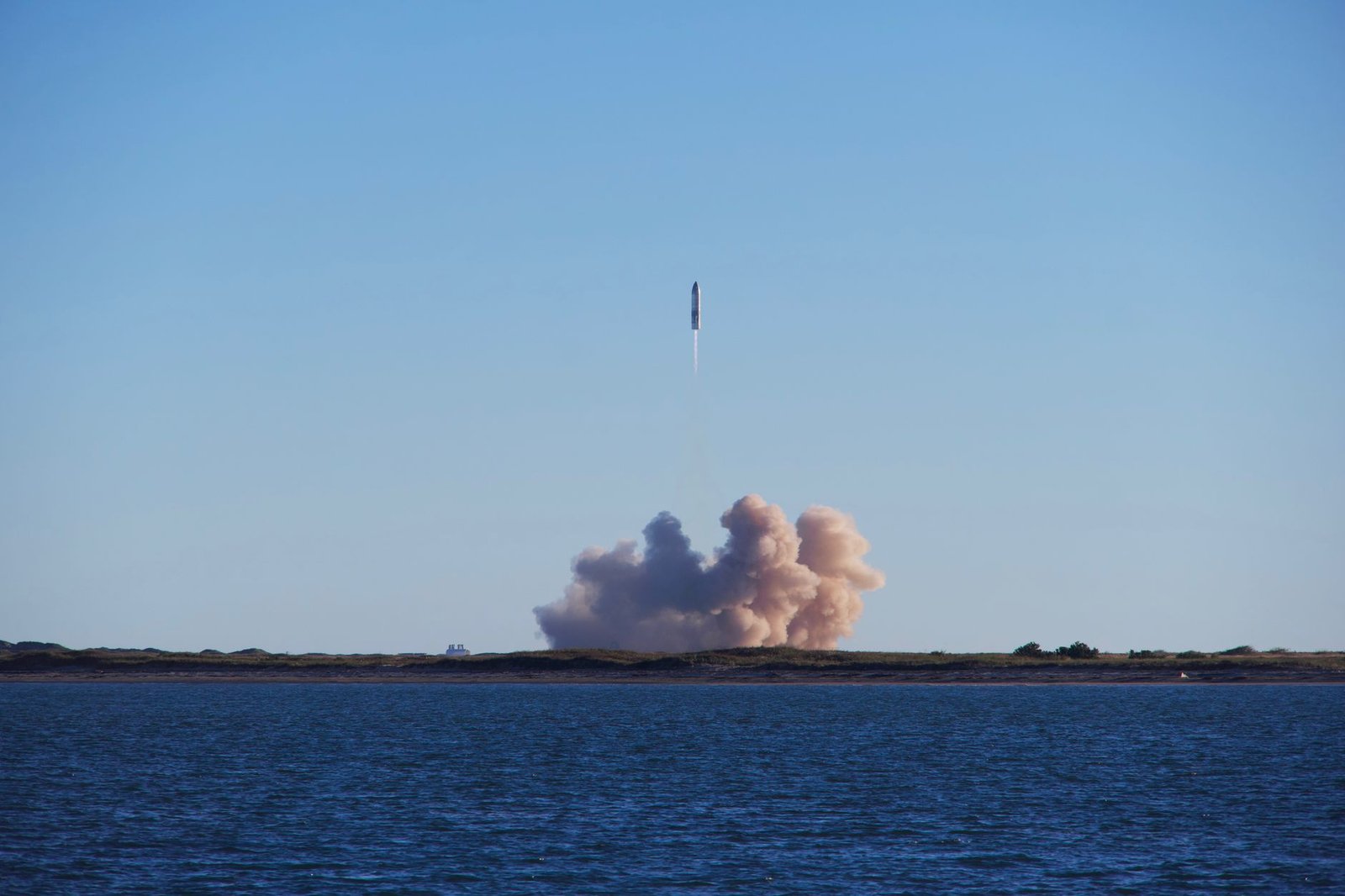
Rocket Lab launches are accelerating as the company prepares for four launches in just 25 days. This ambitious vision aims to enhance space AI infrastructure.
Overview of Rocket Lab’s Launch Plans
Rocket Lab has unveiled an ambitious series of launch plans that aim to enhance its position in the rapidly evolving space industry. With a focus on Rocket Lab launches, the company has set its sights on executing four launches within a span of just 25 days. This accelerated launch cadence is a testament to Rocket Lab’s commitment to advancing its vision for “space AI infrastructure.”
The upcoming launches will play a pivotal role in deploying various satellites designed to support artificial intelligence applications in space. The strategy emphasizes the integration of advanced technologies to optimize data collection and processing capabilities beyond Earth.
Key objectives for these launches include:
- Deployment of next-generation satellites for enhanced data analytics.
- Collaboration with industry partners to streamline space operations.
- Advancement of launch vehicle capabilities to increase payload capacity.
As Rocket Lab accelerates its launch schedule, it reinforces its position as a leading player in the commercial space sector, committed to providing the necessary infrastructure for the next generation of space AI applications.
The Importance of Space AI Infrastructure
The emergence of space AI infrastructure is becoming increasingly vital as companies like Rocket Lab pursue ambitious launch plans. With an enhanced focus on advanced technologies, the integration of artificial intelligence into space operations holds the potential to revolutionize numerous aspects of the industry.
Rocket Lab’s commitment to launching four times in just 25 days signifies a drive towards not only expanding its launch cadence but also strengthening the backbone of this infrastructure. The importance of such initiatives cannot be overstated, as they pave the way for more efficient operations, improved data analysis, and smarter decision-making in real-time.
Key advantages of space AI infrastructure include:
- Enhanced Data Processing: AI can analyze vast amounts of data collected from space missions, providing insights that were previously unattainable.
- Automated Systems: The use of AI allows for more streamlined launch operations, reducing human error and increasing reliability.
- Predictive Maintenance: AI algorithms can forecast potential issues with equipment, ensuring timely interventions and reducing downtime.
As Rocket Lab launches its future missions, the integration of space AI infrastructure will undoubtedly play a pivotal role in shaping the next era of space exploration.
Rocket Lab Launches: Key Dates and Details
Rocket Lab has set an ambitious schedule with a series of launches planned within a short timeframe. The company aims to execute four launches in just 25 days, marking a significant acceleration in their launch cadence. This rapid pace is part of Rocket Lab’s broader vision to establish a robust infrastructure for space AI, which is becoming increasingly vital for advancements in various sectors.
Key dates for the upcoming Rocket Lab launches are as follows:
- Launch 1: Scheduled for November 5, 2023, this mission will deploy small satellites for commercial clients.
- Launch 2: Taking place on November 12, 2023, this launch aims to support scientific research initiatives.
- Launch 3: Planned for November 20, 2023, this event will focus on delivering payloads for government partners.
- Launch 4: Expected on November 30, 2023, this launch will further enhance the company’s satellite constellation.
Each of these launches plays a crucial role in advancing the capabilities of space AI, positioning Rocket Lab as a key player in the rapidly evolving space industry.
How Rocket Lab is Accelerating Launch Cadence
Rocket Lab is rapidly increasing its launch cadence, a strategic move that underscores its commitment to establishing a robust infrastructure for space AI. With a series of four launches scheduled within just 25 days, the company is poised to demonstrate its capabilities in the competitive space industry.
The accelerated pace of launches is not only a testament to Rocket Lab’s engineering prowess but also a response to the growing demand for satellite deployment and advanced data capabilities. This initiative aims to enhance the development of AI technologies in space, which are crucial for a range of applications, including Earth observation, telecommunications, and scientific research.
As Rocket Lab prepares for these upcoming missions, several key factors contribute to its success:
- Innovative Launch Vehicles: The Electron rocket, known for its reliability and efficiency, plays a central role in these missions.
- Streamlined Operations: Improvements in launch processes enable quicker turnaround times between missions.
- Strategic Partnerships: Collaborations with various organizations amplify Rocket Lab’s reach and capabilities in space.
With these launches, Rocket Lab is not only advancing its business model but also laying the groundwork for a future where space AI infrastructure becomes a reality.
Challenges Faced by Rocket Lab
Despite its rapid progress, Rocket Lab faces several challenges as it aims to solidify its position in the competitive space industry.
- Technical Hurdles: Developing innovative technology that can support the demands of space AI infrastructure requires substantial investment in research and development.
- Regulatory Compliance: Navigating the intricate web of regulations imposed by various governments can complicate launch schedules and operational efficiency.
- Market Competition: As more companies enter the space industry, Rocket Lab must differentiate itself while maintaining cost-effectiveness in its launch services.
- Supply Chain Constraints: The ongoing global supply chain issues can impact the availability of critical components needed for rocket manufacturing and assembly.
- Public Perception: Maintaining a positive image and building public trust is crucial, especially as space missions become more ambitious and visible to the general population.
By addressing these challenges head-on, Rocket Lab aims to ensure that its upcoming launches not only meet the demands of its clients but also contribute to the broader goal of establishing a robust space AI infrastructure.
Future of Space Exploration with Rocket Lab
The future of space exploration is increasingly intertwined with the advancements being made by Rocket Lab. With their recent announcement of multiple upcoming launches, including four launches in just 25 days, Rocket Lab is positioning itself as a leader in the new era of space AI infrastructure. This rapid launch cadence not only reflects the company’s commitment to innovation but also highlights the growing importance of reliable access to space.
As space agencies and private enterprises alike look to leverage artificial intelligence for various applications, Rocket Lab’s strategic approach is proving to be essential. The integration of AI technologies into satellite operations, data analysis, and communication systems represents a significant leap forward for the industry. By performing consistent launches, Rocket Lab enables rapid testing and deployment of these technologies.
Furthermore, the company’s focus on small satellite launches caters to a surge in demand for efficient and cost-effective solutions in the space sector. As Rocket Lab continues to refine its launch capabilities, the future of space exploration appears brighter than ever, with the potential for groundbreaking discoveries and advancements in AI-driven technologies.
Conclusion: The Impact of Rocket Lab’s Ambitions
As Rocket Lab launches continue to reshape the landscape of space exploration, the implications of their ambitious plans extend far beyond immediate launch schedules. The company’s focus on establishing a robust space AI infrastructure positions it as a key player in the next generation of aerospace innovation.
With a commitment to enhancing launch cadence, Rocket Lab is not only demonstrating its technical prowess but also paving the way for a future where artificial intelligence plays a critical role in satellite operations and data processing. This strategic vision is set to revolutionize how we manage and utilize space resources.
Moreover, the challenges faced during this rapid expansion serve as valuable learning experiences, enabling Rocket Lab to refine its technologies and operational strategies. Each successful launch reinforces confidence in their systems and enhances their reputation within the industry.
In conclusion, the impact of Rocket Lab’s ambitions will resonate through various sectors, from telecommunications to environmental monitoring. As Rocket Lab launches propel us into this new era, the potential for groundbreaking advancements in space AI becomes increasingly apparent.
- Enhanced satellite capabilities
- Improved data analysis
- Accelerated technological advancements
Rocket Lab launches have consistently demonstrated the effectiveness of integrating artificial intelligence in space missions. By analyzing data from previous Rocket Lab launches, engineers can refine their strategies for future projects.
Photo by Forest Katsch on Pexels