BepiColombo Arrival at Mercury: Worst Delays and Clear Insights
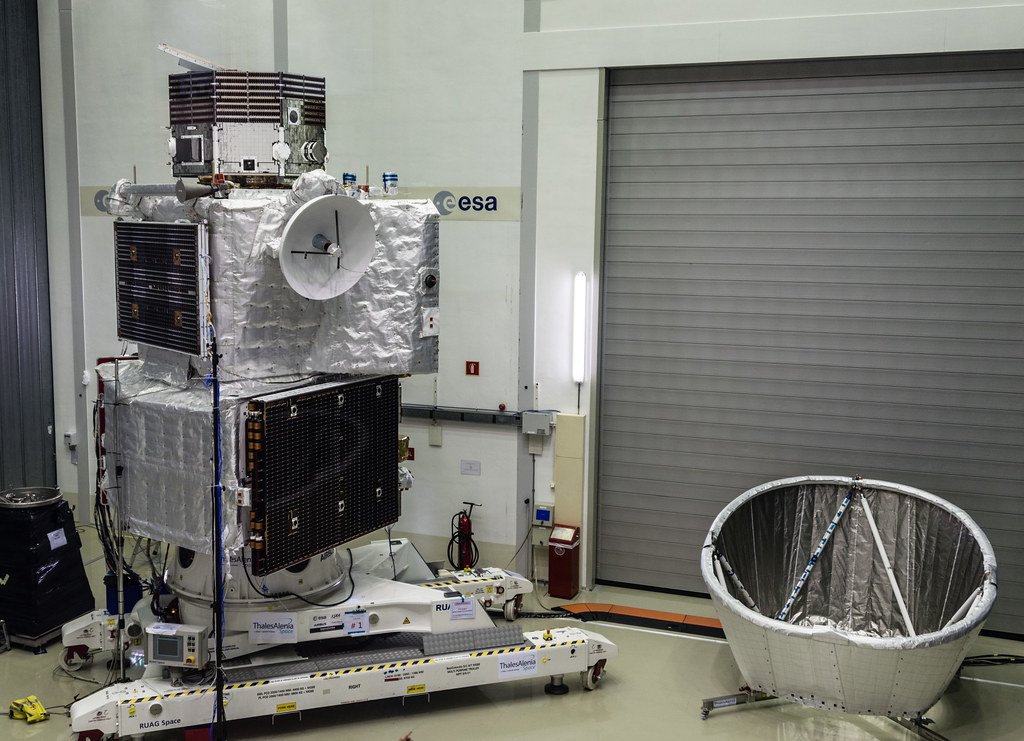
BepiColombo arrival at Mercury isn’t going quite as planned, as unexpected challenges arise during its highly anticipated journey. This mission aims to unlock secrets of the planet closest to the Sun.
What Happened to BepiColombo?
BepiColombo, the ambitious joint mission by the European Space Agency (ESA) and the Japan Aerospace Exploration Agency (JAXA), has faced unexpected challenges on its journey to Mercury. Originally scheduled for a decisive arrival, the spacecraft’s timeline has been significantly affected by a series of delays.
One of the primary reasons for the setbacks is the intricate nature of the spacecraft’s trajectory, which involves multiple gravitational assists. This method, while efficient, has resulted in complications that have pushed back the expected arrival date. Scientists had anticipated a smooth approach, but they are now adjusting their expectations as BepiColombo navigates the complexities of space travel.
Despite these hurdles, the mission promises valuable insights once it reaches its destination. The scientific community is eager to study Mercury’s surface and atmospheric conditions, which could shed light on the planet’s history and formation. The advanced instruments aboard BepiColombo are designed to provide detailed data that has never been gathered before.
As we await the spacecraft’s eventual arrival at Mercury, the mission serves as a reminder of the challenges inherent in space exploration. With each delay, the team remains committed to ensuring that BepiColombo fulfills its potential to unlock the mysteries of our solar system.
Timeline of the BepiColombo Mission
The timeline of the BepiColombo mission is marked by both remarkable achievements and unexpected setbacks. Launched on October 20, 2018, the spacecraft embarked on a journey that would see it traverse the solar system to reach its final destination: Mercury. However, the journey has not been without its challenges.
Initially, scientists projected that the BepiColombo arrival at Mercury would occur in 2025. This timeline was based on a series of gravitational assists and orbital maneuvers designed to slow the spacecraft down sufficiently for a successful entry into Mercury’s orbit. However, various complications have led to significant delays.
Key milestones in the mission include:
- Launch: BepiColombo was launched from French Guiana aboard an Ariane 5 rocket.
- First Earth Flyby: In April 2020, the spacecraft made its first flyby of Earth, gaining speed.
- Venus Flybys: The spacecraft is set to conduct two flybys of Venus in the coming years, further extending its trajectory.
- Mercury Flybys: The mission will include several flybys of Mercury before its planned arrival.
Despite these delays, scientists remain hopeful that the insights gained from the BepiColombo mission will be invaluable in understanding Mercury’s unique characteristics and formation.
Challenges Faced by BepiColombo
The BepiColombo mission, a joint endeavor between the European Space Agency (ESA) and the Japan Aerospace Exploration Agency (JAXA), has faced a series of significant challenges leading up to its arrival at Mercury. Initially celebrated for its ambitious goals, the mission has encountered delays that have raised concerns among scientists and space enthusiasts alike.
One of the primary issues has been related to the spacecraft’s complex trajectory, which requires multiple gravity assists from other planets to reach its destination. These maneuvers, while scientifically valuable, have added unexpected time to the mission. Moreover, unforeseen technical difficulties have arisen, necessitating adjustments that could further prolong the journey.
In addition to the logistical hurdles, the spacecraft has also encountered issues during its testing phases. Engineers have reported that some instruments and systems did not perform as expected, leading to additional troubleshooting efforts. These factors together have created a scenario where the long-awaited BepiColombo arrival at Mercury is not going quite as planned.
Despite these setbacks, the mission team remains optimistic. They are working diligently to resolve the issues, aiming to ensure that the spacecraft can deliver the scientific insights it was designed to provide. As challenges persist, the hope is that BepiColombo will still achieve its groundbreaking objectives upon reaching Mercury.
Impact on Future Missions
The recent delays surrounding the BepiColombo arrival at Mercury have raised concerns about the implications for future space missions. As agencies and scientists analyze the setbacks, several key factors are likely to influence upcoming projects.
- Technological Innovations: The challenges faced by BepiColombo highlight the need for ongoing advancements in spacecraft technology. Future missions may benefit from enhanced navigation systems and improved propulsion techniques.
- Mission Planning: The timeline of the BepiColombo mission serves as a reminder of the importance of meticulous planning. Future missions will likely incorporate more robust contingencies to address potential delays.
- Collaboration and Funding: With increased scrutiny on mission timelines, agencies may seek more collaborative efforts to share costs and resources. This could lead to more efficient mission designs and shared knowledge across institutions.
- Public Engagement: As public interest in space exploration grows, the need for transparent communication about delays and challenges becomes essential. Agencies will need to engage with the public to maintain support for future missions.
Ultimately, while the BepiColombo arrival at Mercury may not be as smooth as anticipated, the lessons learned can pave the way for more successful and timely missions in the future.
Expert Opinions on the Delays
As the BepiColombo spacecraft approaches its long-anticipated arrival at Mercury, experts have weighed in on the delays that have plagued the mission. Dr. Elena Ruiz, an astrophysicist involved in the project, expressed her concern over the unforeseen challenges that have led to the extended timeline. “While we always anticipated some hurdles, the scale of these delays was unexpected,” she stated. “BepiColombo’s arrival at Mercury is pivotal for our understanding of the planet, and we need to ensure every aspect of the mission is executed flawlessly.”
In a recent conference, Professor Mark Tindall emphasized the importance of patience in space exploration. “Space missions are inherently complex, and delays can often lead to unforeseen opportunities for data collection and analysis,” he noted. “While the wait may be frustrating, it could provide us with clearer insights into Mercury’s geological and atmospheric conditions.”
Moreover, Dr. Fiona Bell, a planetary scientist, pointed out that the rigorous testing of spacecraft components has been a crucial factor in the delays. “Ensuring the integrity of the spacecraft for such a demanding journey is vital. It’s better to delay and ensure success than to rush and risk failure,” she concluded.
What’s Next for BepiColombo?
As the BepiColombo mission continues to navigate the complexities of space travel, the focus now shifts to what lies ahead for the spacecraft following its arrival at Mercury. Despite the unexpected delays, scientists and engineers are eager to utilize the data collected during the journey to enhance our understanding of the planet closest to the Sun.
In the coming months, the mission team will focus on several key activities:
- Comprehensive Data Analysis: Researchers will meticulously analyze the data collected from BepiColombo during its transit, which could provide invaluable insights into Mercury’s geological and atmospheric conditions.
- Instrument Calibration: The scientific instruments aboard BepiColombo will undergo thorough calibration to ensure optimal performance for capturing high-quality data once in orbit around Mercury.
- Mission Adjustments: Based on the findings from the initial data, mission planners may implement adjustments to the spacecraft’s operation to maximize its scientific output.
- Collaboration with Other Missions: There may be opportunities for collaboration with other space missions studying Mercury, enhancing the overall knowledge of the planet.
As BepiColombo’s arrival at Mercury draws closer, anticipation builds within the scientific community, eager to unlock the mysteries of this enigmatic planet.
Conclusion and Key Takeaways
As the BepiColombo arrival at Mercury approaches, it is essential to reflect on the journey thus far and the implications of its delays. Despite the challenges faced, including technical setbacks and unforeseen obstacles, the mission remains a significant milestone for space exploration.
In conclusion, the following key takeaways emerge from the BepiColombo mission:
- Resilience in Space Exploration: The delays highlight the complexity of interplanetary missions, emphasizing the need for adaptability and innovation in overcoming challenges.
- Scientific Opportunities: Even with setbacks, the data collected during the journey has provided invaluable insights into Mercury’s environment and characteristics.
- Future Missions: Lessons learned from BepiColombo will inform future missions, ensuring better preparedness and improved designs for upcoming spacecraft.
- International Collaboration: BepiColombo serves as a testament to the power of international cooperation in tackling ambitious space objectives, bringing together expertise from Europe and Japan.
- Public Engagement: The mission has sparked renewed interest in planetary exploration, inspiring the next generation of scientists and engineers.
Ultimately, while the BepiColombo arrival at Mercury has faced hurdles, the insights gained will pave the way for more successful expeditions in the future.
The BepiColombo arrival at Mercury has been met with both anticipation and frustration due to the numerous delays experienced throughout its journey. Scientists are eager to analyze the data collected during the BepiColombo arrival at Mercury to gain deeper insights into the planet’s characteristics and history.
By europeanspaceagency via Openverse
Where this came from
Related stories
OnePlus Nord N7 Pro: Is It the Best Entry-Level Smartphone? · Poco X9 Pro Max: The Best Phone with 11,000mAh Battery · Turn Off Automatic Updates iPhone: Simple Steps for Control