Skyroot Twin-Launch Contract: Proven Success for Startups
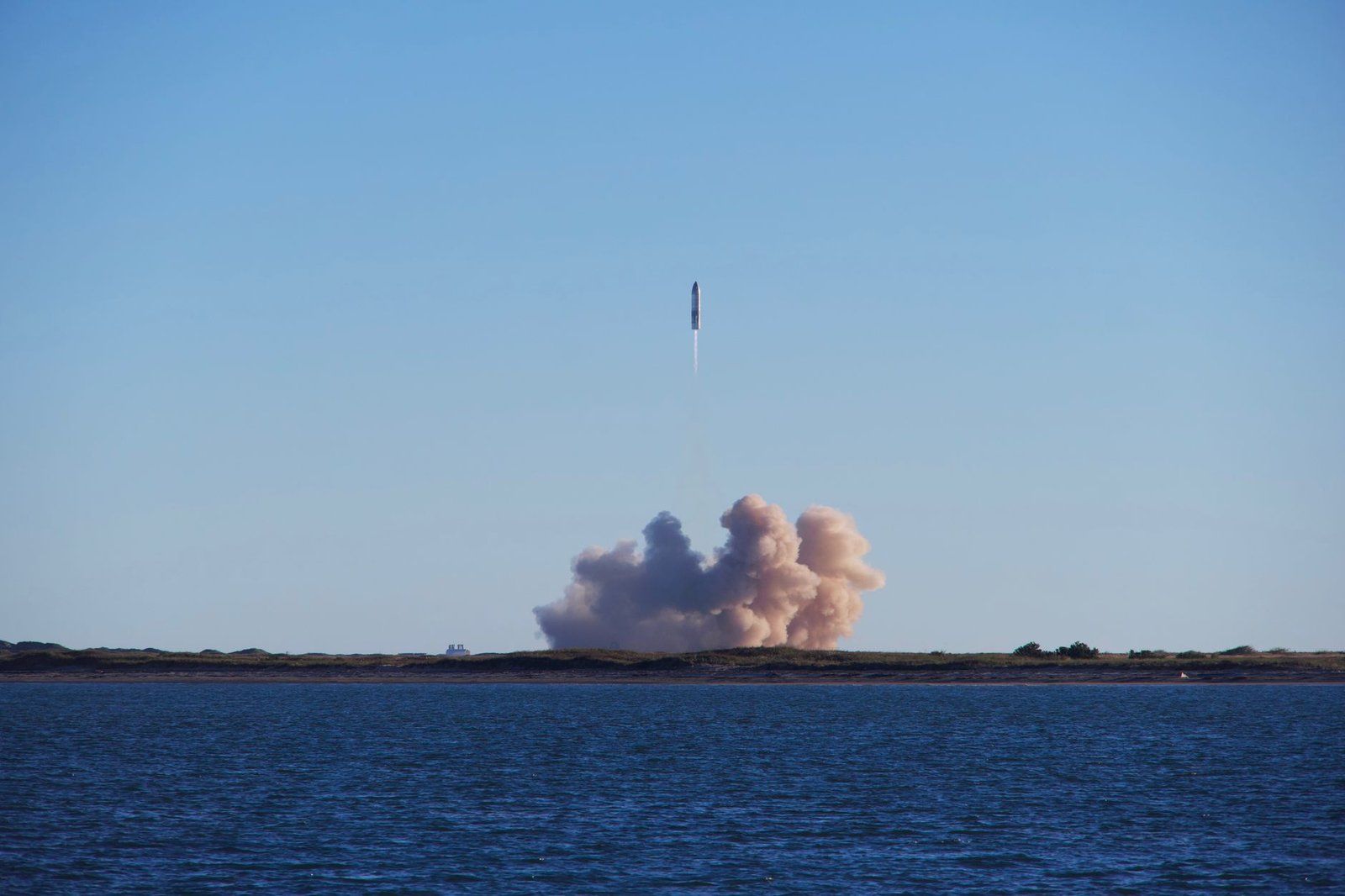
Skyroot twin-launch contract has been awarded to the Indian aerospace startup, marking a pivotal moment in its growth trajectory. This development showcases the increasing collaboration between Indian and US companies in the space sector.
Overview of the Twin-Launch Contract
In a significant development for the aerospace sector, Skyroot Aerospace has secured a twin-launch contract from a US startup, marking a pivotal moment for both companies. This contract represents a growing trend where startups are increasingly relying on established aerospace firms to launch their satellites efficiently and cost-effectively.
The twin-launch contract allows the US startup to deploy two satellites in a single mission, optimizing resources and minimizing launch costs. This dual-launch capability is particularly appealing to startups that aim to maximize their operational efficiency while navigating the challenges of the competitive space industry.
Skyroot Aerospace, known for its innovative approach to space technology, has been making headlines for its commitment to providing reliable launch services. The company’s experience and advanced technology make it a strong partner for emerging startups seeking to establish a foothold in the satellite market.
Key benefits of the twin-launch contract include:
- Cost savings through shared launch expenses.
- Increased flexibility in satellite deployment schedules.
- Reduced time to market for new satellite technologies.
As the space industry evolves, partnerships like this will play a crucial role in fostering innovation and enabling startups to thrive in a rapidly changing environment.
Impact on Indian Aerospace Startups
The recent Skyroot twin-launch contract awarded by a US startup is poised to have a significant impact on Indian aerospace startups. This contract not only highlights the growing recognition of Indian capabilities in the global space market but also opens doors for new opportunities for emerging players in the industry.
By securing this contract, Skyroot is setting a precedent that could inspire other startups to engage in innovative space missions. The benefits of such collaborations extend beyond immediate financial gains; they also foster technological advancements and knowledge sharing among startups and established entities.
Moreover, this contract is expected to:
- Boost confidence among investors in the Indian aerospace sector, encouraging them to support more startups.
- Encourage partnerships between Indian companies and international startups, facilitating a global exchange of ideas.
- Enhance skill development within the country, as more professionals will be needed to support growing aerospace endeavors.
As Indian aerospace startups continue to demonstrate their capabilities, the success of the Skyroot twin-launch contract serves as a catalyst for a vibrant ecosystem that is increasingly becoming competitive on the world stage.
Details of the US Startup Involved
The recent Skyroot twin-launch contract has garnered significant attention, particularly due to the involvement of a promising US startup. This startup, which has been making waves in the space industry, aims to leverage Skyroot’s innovative launch capabilities to further its ambitious projects.
Founded in 2020, the US startup has quickly established itself as a key player in the satellite deployment market. Their primary focus revolves around developing advanced satellite technology that supports various sectors, including telecommunications, earth observation, and scientific research.
- Mission Objectives: The startup’s mission involves launching a series of small satellites designed to enhance global connectivity and collect critical data for climate monitoring.
- Technology: Utilizing cutting-edge technology, the satellites will incorporate artificial intelligence to improve data processing and transmission efficiency.
- Launch Schedule: The twin-launch contract with Skyroot is set to take place within the next year, with both parties working diligently to ensure a smooth execution.
This collaboration not only highlights the potential for international partnerships in the aerospace sector but also underscores the growing trust in Indian startups like Skyroot to deliver reliable launch services. As this US startup prepares for its upcoming launches, the success of the Skyroot twin-launch contract could pave the way for more innovative ventures in the space industry.
Future Prospects for Skyroot
The future prospects for Skyroot following the recent twin-launch contract are promising, indicating a significant shift in the Indian aerospace landscape. With the successful execution of this contract, Skyroot has demonstrated its capability to compete on a global scale, attracting attention from both national and international players.
As the demand for satellite launches continues to grow, Skyroot’s innovative approach to space technology positions it well to seize new opportunities. The twin-launch contract not only highlights the trust that foreign startups are placing in Indian companies but also sets a precedent for future collaborations in the aerospace sector.
Key factors that may influence Skyroot’s trajectory include:
- Increased Investment: The visibility gained from this contract could lead to higher investments from both domestic and international investors.
- Technological Advancements: With continued focus on R&D, Skyroot can enhance its launch capabilities, making it more competitive.
- Strategic Partnerships: Collaborations with established firms in the aerospace industry may open doors to new technologies and markets.
As Skyroot further establishes itself through successful missions under the twin-launch contract, it will likely inspire a new generation of aerospace startups in India, fostering innovation and growth in the sector.
Collaboration Between India and the US
The recent Skyroot twin-launch contract signifies a pivotal collaboration between India and the United States, enhancing the landscape of aerospace innovation. This partnership not only underscores the growing synergy between the two nations but also reflects a mutual interest in advancing space technology.
The collaboration is a testament to the strength of the Indian aerospace sector, which has been rapidly evolving, showcasing its capabilities to international partners. With the successful track record of Skyroot Aerospace, this contract opens doors for future projects and fosters a spirit of cooperation. Key stakeholders from both countries are enthusiastic about sharing knowledge and resources, which could lead to significant technological advancements.
Moreover, this partnership is expected to create opportunities for various players in the aerospace industry, both in India and the US. By leveraging each other’s strengths, they aim to accelerate the growth of space exploration and satellite deployment.
As startups in India continue to flourish, this contract serves as a vital stepping stone, encouraging more collaborations on a global scale. The success of the Skyroot twin-launch contract is not just a win for one company but a promising indicator of the future potential in the international aerospace market.
Challenges Facing the Aerospace Sector
The aerospace sector has been experiencing significant growth, yet it continues to face a myriad of challenges that can impact its overall sustainability and efficiency. Among these challenges are:
- Cost Management: The high costs associated with launching satellites and maintaining aerospace infrastructure can deter startups from entering the market. The Skyroot twin-launch contract aims to alleviate some of these financial burdens, but the challenge remains widespread.
- Regulatory Hurdles: Navigating the complex web of regulations can be daunting for new entrants in the aerospace industry. Startups often lack the resources to handle extensive compliance requirements, making partnerships, such as the one formed under the Skyroot twin-launch contract, crucial for success.
- Technological Advancements: Rapid technological changes necessitate continuous innovation. Startups must keep pace with advancements to remain competitive, which can be particularly challenging for those with limited funding.
- Market Competition: The space industry is becoming increasingly crowded, with numerous players vying for a share of the market. This competition can stifle the growth of smaller startups that lack the established reputation of larger firms.
Despite these challenges, initiatives like the Skyroot twin-launch contract provide a pathway for startups to thrive, fostering innovation and collaboration in the aerospace sector.
The recent achievements under the Skyroot twin-launch contract have set a new benchmark for emerging space startups. This innovative approach not only reduces costs but also accelerates the timeline for satellite deployment, showcasing the effectiveness of the Skyroot twin-launch contract.
Photo by Forest Katsch on Pexels
Read the original
Related reading
Is the gold-plated Walkman Worth the Price? · Google funding for MSMEs: Best Proven Support for Growth · GTA 6 delay news: Take-Two’s CEO reacts with disbelief