OpenAI GPT Cyber Models: Proven Path to Enhanced Security
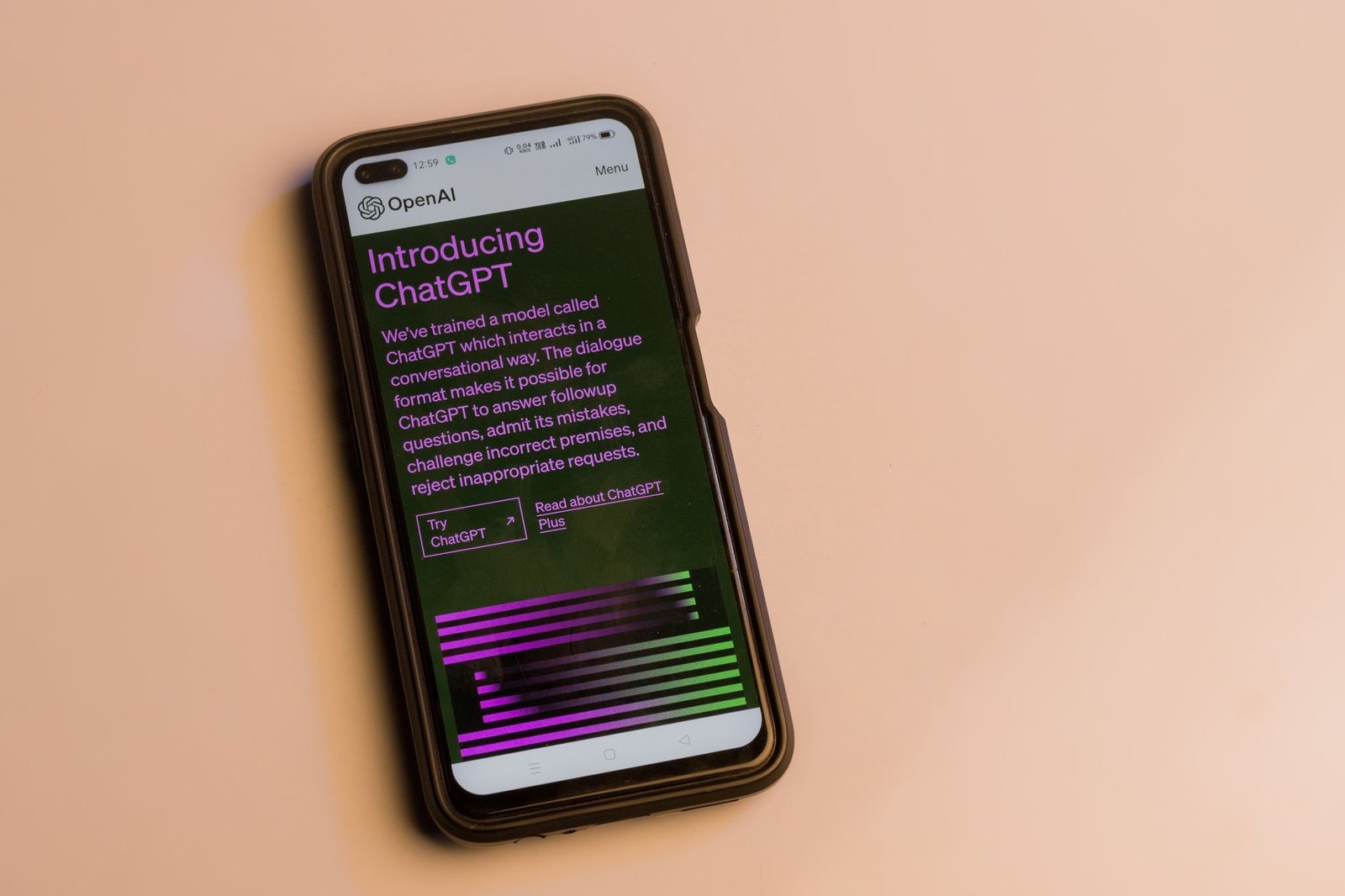
OpenAI GPT Cyber Models are revolutionizing the cybersecurity landscape. Sophos is set to leverage these advanced models for effective exploit path verification.
What are OpenAI GPT Cyber Models?
OpenAI GPT Cyber Models represent a significant advancement in the realm of cybersecurity, leveraging artificial intelligence to enhance threat detection and response strategies. These models utilize deep learning techniques to analyze vast amounts of data, identifying potential vulnerabilities and exploits within systems.
Specifically designed to understand and respond to complex cyber threats, OpenAI GPT Cyber Models can simulate various attack vectors, allowing organizations to assess their security postures more effectively. By employing natural language processing capabilities, these models interpret and generate human-like text, which can be useful for crafting security reports and alerts that are easily understood by security teams.
The integration of OpenAI GPT Cyber Models into cybersecurity frameworks has proven beneficial for organizations aiming to bolster their defenses. For instance, companies like Sophos are now utilizing these models for exploit path verification, enabling them to pinpoint weaknesses in their systems before they can be exploited by malicious actors.
In summary, OpenAI GPT Cyber Models serve as a robust tool in the ongoing battle against cyber threats, providing organizations with the ability to preemptively identify and mitigate risks. As the cybersecurity landscape continues to evolve, these models will play a crucial role in shaping the future of secure technology practices.
How Sophos is Implementing These Models
Sophos is at the forefront of integrating OpenAI GPT Cyber Models into its cybersecurity framework, marking a significant advancement in threat detection and response capabilities. The company aims to leverage these models for enhanced exploit path verification, enabling organizations to better understand potential vulnerabilities and their impact.
By employing the sophisticated language processing abilities of GPT models, Sophos can analyze vast amounts of data to identify potential exploit paths that cybercriminals may exploit. This proactive approach allows security teams to prioritize vulnerabilities based on the likelihood of exploitation and the criticality of affected systems.
Sophos has outlined several key strategies for implementing these models:
- Data Enrichment: Integrating various data sources to provide context and improve the accuracy of threat assessments.
- Automated Reporting: Generating detailed reports on potential exploit paths that can be easily understood by security analysts.
- Ongoing Learning: Continuously training the models on new threat data to ensure they remain effective against emerging cyber threats.
With these initiatives, Sophos is not only enhancing its own cybersecurity offerings but also setting a new standard in the industry for utilizing OpenAI GPT Cyber Models to bolster defenses against increasingly sophisticated cyber threats.
Benefits of Using OpenAI GPT for Security
The integration of OpenAI GPT Cyber Models into cybersecurity practices offers numerous advantages that can significantly enhance an organization’s security posture. By leveraging advanced language models, businesses can improve their threat detection capabilities and streamline incident response processes.
One of the primary benefits is the ability to analyze vast amounts of data quickly. With the power of natural language processing, OpenAI GPT Cyber Models can identify patterns and anomalies that may indicate potential security threats. This proactive approach enables organizations to address vulnerabilities before they can be exploited.
Additionally, these models assist in automating routine security tasks. By handling repetitive duties such as log analysis and threat intelligence gathering, security teams can focus on more complex challenges that require human intervention. This not only improves efficiency but also reduces the risk of human error.
Moreover, OpenAI GPT Cyber Models enhance communication among security personnel. The models can generate clear, actionable reports that help teams understand the context of threats and the necessary steps for mitigation.
As a result, organizations that implement these advanced models are better equipped to adapt to the ever-evolving cybersecurity landscape, ultimately fostering a more robust security framework.
The Future of Cybersecurity with AI
The landscape of cybersecurity is rapidly evolving, with artificial intelligence taking center stage. OpenAI GPT Cyber Models are set to revolutionize how organizations approach security challenges. As cyber threats become increasingly sophisticated, the need for advanced solutions has never been more critical.
One significant advantage of integrating AI, particularly OpenAI GPT Cyber Models, into cybersecurity strategies is the ability to analyze vast amounts of data in real time. These models leverage machine learning to identify patterns and anomalies that could signify a potential threat. This proactive approach enables organizations to address vulnerabilities before they can be exploited.
Moreover, the application of AI in cybersecurity fosters a more adaptive defense mechanism. With the ability to learn from previous incidents and refine their algorithms, models like those from OpenAI can continuously improve their threat detection capabilities. As a result, organizations can better anticipate and mitigate risks, ultimately enhancing their overall security posture.
Furthermore, the collaboration between companies like Sophos and OpenAI underscores the growing recognition of AI’s potential in cybersecurity. By harnessing the power of OpenAI GPT Cyber Models, organizations are not just responding to threats but are also paving the way for a more resilient and secure digital future.
Photo by Sanket Mishra on Pexels